
SiteW makes website creation easy and enjoyable thanks to a solution without technical or financial constraint.
Testimonials, interviews and examples of created websites. Discover our users’ reviews and creations.
Our history, news and commitments. Beyond online service, discover SiteW.
All resources at the service of your online presence.
11 minutes
In today's digital world, having a website is no longer optional for a nonprofit organization—it's essential. More than almost any other sector, nonprofits thrive on building relationships, raising awareness, creating partnerships, and engaging with their communities.
That's why a strong online presence is so important. A website gives your organization a powerful platform to share its mission, showcase its impact, attract supporters, and connect with people who care about your cause.
But how do you create a nonprofit website that truly meets your organization's unique needs?
How can you build a professional website—on a limited budget, or even for free—that:
increases your organization's visibility,
keeps the public informed about your mission and activities,
inspires trust among donors, volunteers, and partners,
and encourages people to get involved?
In other words, how do you create a nonprofit website that is both useful and effective?
At SiteW, we've helped thousands of organizations build their online presence. In this guide, we'll walk you through everything you need to know to create a nonprofit website that supports your mission and helps your organization grow.
There's no denying it: running a nonprofit organization comes with its fair share of challenges.
Limited resources are often the biggest obstacle. Whether it's a lack of time, funding, or staff, nonprofits are constantly asked to do more with less.
At the same time, competition continues to grow. Every year, more nonprofit organizations emerge across every sector—from charities and community groups to cultural, educational, and sports organizations.
As a result, standing out has become increasingly difficult. This is especially true in today's economic climate, where both individual donations and institutional funding are under greater pressure than ever.
Against this backdrop, raising awareness and reaching new supporters is no easy task.

The communication challenge facing most nonprofits is clear:
increase visibility and highlight the organization's impact,
while keeping costs low and minimizing the time and effort required.
This is precisely where a website becomes invaluable.
Creating a nonprofit website is one of the most cost-effective ways to promote your mission. It's easy to build, accessible to organizations of every size, and has the potential to reach people far beyond your local community—even on a global scale.
In short, if your nonprofit doesn't already have a website, now is the time to create one.
But simply having a website isn't enough. To truly support your mission, it needs to be well designed, easy to navigate, and built around the needs of your audience.
Let's see how to make that happen.
Create a website for your nonprofit
As public-benefit organizations, nonprofits are, by definition, not driven by profit. That often means operating with tighter budgets, smaller teams, and limited resources compared to for-profit businesses.
Yet communication remains one of their most important responsibilities. Whether they're raising awareness, recruiting volunteers, attracting donors, or promoting their initiatives, nonprofits need effective ways to reach the right audience—without stretching their resources even further.
That's why creating a website is one of the smartest investments a nonprofit can make.
The next question is: which website-building solution should you choose?
The answer depends on your technical skills, your budget, and the amount of time you can dedicate to your website.
👉 If you're comfortable with web technologies and don't mind managing hosting, updates, security, backups, and maintenance yourself, a traditional CMS may be the right choice.
👉 If you'd rather focus on your mission than on technical tasks, and you're looking for an easy, secure way to build your website without writing a single line of code, a website builder is probably the better option.
💡 SiteW offers an all-in-one solution that's affordable, easy to use, and fully managed. You can even create a nonprofit website for free! Everything is designed to help you launch your site quickly while keeping costs—and the time spent managing it—to a minimum. An ideal solution for nonprofits of any size.
Once you've chosen the right website-building solution, it's time to start designing your nonprofit's website.
Before thinking about individual pages or features, begin with the overall layout and user experience.
When creating your nonprofit website, simplicity is your greatest ally.
Aim for a clean, attractive design that's easy to navigate. Keep your content concise, organize information logically, and make it easy for visitors to understand who you are, what you do, and how they can support your mission.
Your website's visual identity should also reflect your organization's brand and the emotions you want to inspire. Whether your nonprofit focuses on solidarity, environmental protection, culture, education, or sports, your design should reinforce your message while remaining clear, accessible, and user-friendly.
💡 With SiteW, you can start from a professionally designed website template and customize it in just a few clicks. Adjust colors, fonts, icons, menus, backgrounds, layouts, buttons, and many other design elements—no coding required.
Start with the essentials. Introduce your organization by explaining who you are, how it was founded, your mission, your values, and the programs or activities you offer. You can also present your leadership team, staff members, or board of directors to build trust and credibility.
Next, make it easy for visitors to get in touch. Create a dedicated Contact page that includes your contact details, office hours, and location. Embedding a Google Map is also a great way to help supporters, volunteers, and partners find you.
If your nonprofit organizes events, add an event calendar to showcase upcoming activities. Whether you're hosting fundraising events, community projects, workshops, performances, or sports competitions, keeping your calendar up to date encourages participation and demonstrates that your organization is active.
A contact form is another must-have. It gives visitors a simple way to ask questions, volunteer, or request more information. Depending on your needs, you can also enrich your website with features such as an FAQ, a discussion forum, or a comments section to encourage interaction.
Creating a website is only the first step. To make a real impact, people need to be able to find it.
Search engine optimization (SEO) plays a key role in helping your nonprofit reach more supporters, volunteers, donors, and partners online.
Start by identifying the keywords your audience is likely to search for. Think about your mission, your activities, your area of expertise, and your geographic location. Then naturally incorporate those keywords into your page titles, headings, URLs, meta descriptions, and content.
Publishing valuable, informative content on a regular basis is equally important. Fresh content helps improve your search rankings while demonstrating that your organization is active and engaged.
Don't overlook the technical side of SEO, either. A fast-loading, mobile-friendly, and secure website offers a better user experience and is more likely to rank well in search results.
💡 With SiteW, these technical optimizations are built in, so you can focus on your mission instead of worrying about website maintenance.
Finally, organize your website with clear navigation and a logical page structure. Visitors—and search engines alike—should be able to find information quickly and move effortlessly from one page to another.
SEO helps people discover your website—but memorable content encourages them to share it.
Nonprofits have a unique opportunity to tell authentic, inspiring stories. Whether you work in arts, culture, sports, education, environmental protection, or humanitarian causes, your projects can spark emotion, inspire action, and bring communities together.
Don't be afraid to showcase your achievements, celebrate your successes, or share compelling stories from the people whose lives you've impacted. Creative communication often resonates far more than traditional promotional messages.
Strong visuals can make an even bigger difference. Photos, videos, infographics, illustrations, and other visual content capture attention, simplify complex ideas, and are much more likely to be shared on social media.
After all, a picture really is worth a thousand words—especially online.
Behind every nonprofit are passionate people working toward a common goal.
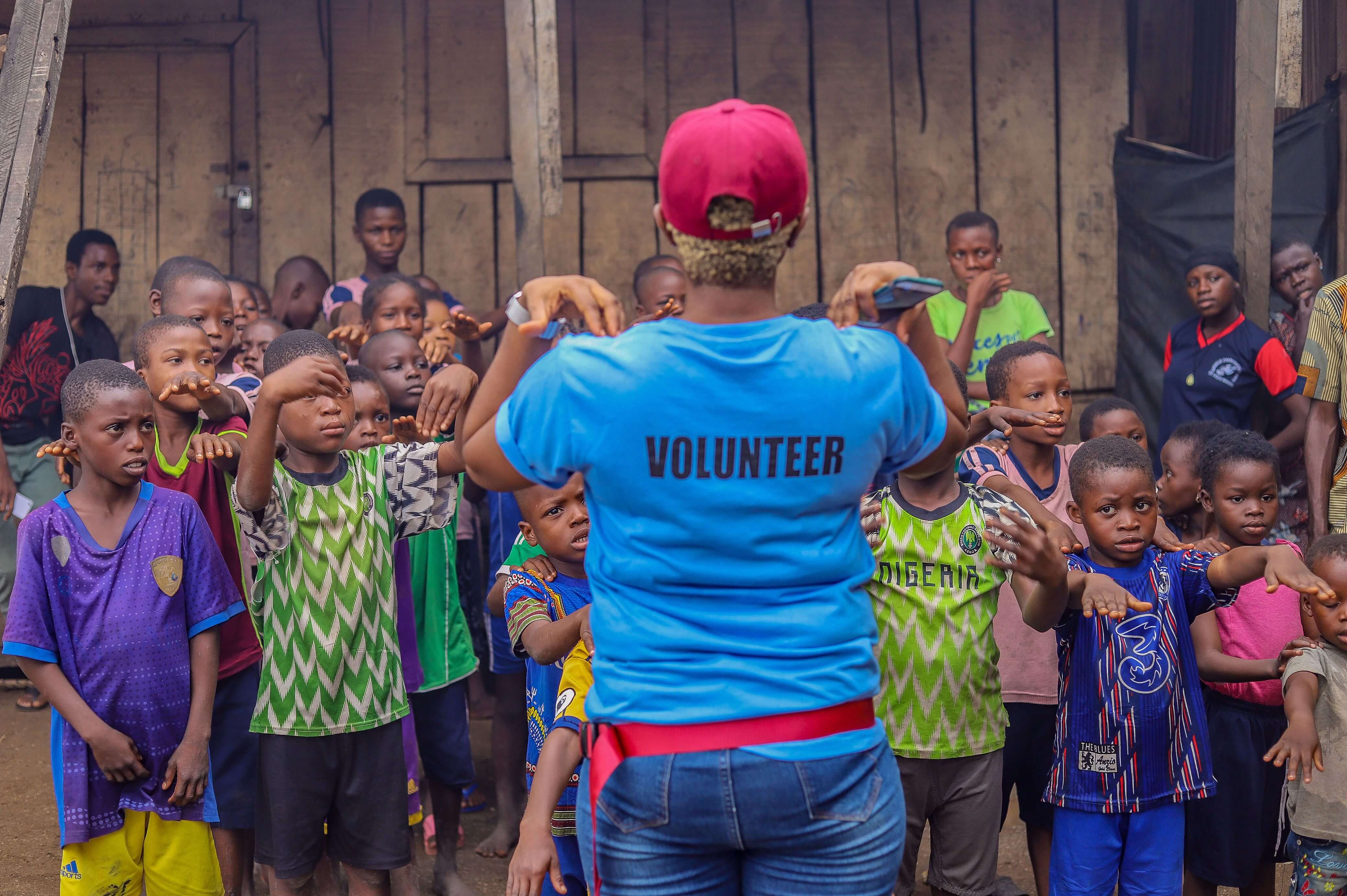
Introduce your volunteers, staff members, board members, and supporters. Share their stories, highlight their commitment, and show the human side of your organization.
This personal approach helps build trust, reinforces your credibility, and makes your nonprofit feel more approachable and authentic.
Unlike traditional businesses, nonprofits don't measure success solely by revenue.
Their greatest asset is their community.
Every volunteer, donor, member, partner, and supporter contributes to the impact of your organization. A well-designed website helps you strengthen these relationships by making it easier for people to learn about your mission, stay informed, participate in your events, and support your cause.
The stronger your community becomes, the greater your nonprofit's impact will be.

For any nonprofit, word of mouth is one of the most powerful ways to raise awareness and attract new supporters.
That's why growing your community—and keeping it engaged—should always be a priority. Every volunteer, donor, member, and supporter has the potential to amplify your message and help your organization reach new audiences.
Here are a few simple ways to strengthen your community:
👉 Stay active on social media. Post regularly and share updates about your projects, events, and achievements.
👉 Engage with your audience. Reply to comments, answer questions, and thank people for their support. Building genuine relationships encourages long-term engagement.

Turn your supporters into ambassadors : they are your best advocates.
The more connected they feel to your mission, the more likely they are to recommend your organization to friends, family, and colleagues.
Once your website is live, keep it active by publishing news, celebrating milestones, sharing updates about your projects, introducing your team and volunteers, launching a blog, or sending regular newsletters.
Launching your website is only the beginning. Now it's time to spread the word.
Interactive campaigns are a great way to generate excitement and encourage people to share your content. Photo contests, video challenges, social media campaigns, and hashtag initiatives can significantly increase your visibility while strengthening your community.
And don't worry if your budget is limited.
The most memorable prizes aren't always the most expensive. Instead, offer experiences that reflect your mission, such as backstage access, the opportunity to meet an artist or athlete, exclusive event invitations, or another unique experience your organization can provide.
Creativity often has a greater impact than a large marketing budget.
Partnerships are at the heart of many successful nonprofit organizations, and your website can help you build even more.
Look for opportunities to collaborate with organizations that share your values or complement your mission.
You can:
publish guest articles on each other's websites,
participate in webinars or online events,
collaborate with online magazines or industry publications,
exchange backlinks to improve your SEO,
or launch joint initiatives that benefit both organizations.
Some nonprofits even develop shared projects or collaborative websites to pool resources, reduce costs, and reach wider audiences together.
When organizations work together, everyone benefits.
Securing funding—through donations, sponsorships, grants, or corporate partnerships—is one of the biggest challenges nonprofits face.
Your website can play an important role in supporting these efforts.
Consider creating a dedicated Partners or Sponsors page to showcase the organizations that support your mission. Displaying your partners not only recognizes their contribution but also strengthens your credibility by demonstrating that respected organizations trust and support your work.
If your website attracts significant traffic, this visibility can become an additional benefit you offer to prospective sponsors and funding partners. You can also highlight these partnerships across your social media channels, blog, and newsletters to maximize their exposure.

Whether your partners provide financial support, logistical assistance, media coverage, or strategic expertise, each collaboration reinforces your organization's reputation and helps build trust with future donors, volunteers, and supporters.
💡 For individual fundraising, SiteW also makes it easy to add a donation button to your website, allowing visitors to support your nonprofit in just a few clicks.
Build a website for your organization
A professional website offers countless benefits for nonprofit organizations. It helps you raise awareness, build credibility, engage your community, and encourage people to take action.
Choosing an easy-to-use website builder allows you to create and manage your site independently while keeping costs low and maintaining the flexibility to grow over time.
More than ever, the internet is the ideal place to connect people around a shared cause. It's where communities come together, partnerships begin, and supporters become advocates.
Why not start building yours today? Your mission deserves to be seen. 🚀
Last update: July 08, 2026