
SiteW makes website creation easy and enjoyable thanks to a solution without technical or financial constraint.
Testimonials, interviews and examples of created websites. Discover our users’ reviews and creations.
Our history, news and commitments. Beyond online service, discover SiteW.
All resources at the service of your online presence.
9 minutes
Lately, artificial intelligence has revolutionized many industries, including web design, and UX design is no exception.
UX (short for user experience) is what makes your website enjoyable and compelling for your visitors.
With cutting-edge tech, we’re now crafting interfaces that are smarter, more personal, and more engaging.
By harnessing the power of AI, designers can improve their creative processes and the overall effectiveness of their designs.
In this article, we'll explore how to use AI to level up your website’s UX, create an incredible user experience and wow your users. ✨👍
In today’s digital world, user experience (UX) plays a key role in the success of any business.
It encompasses how users interact with a website, application, or platform and how satisfied they are with it. User-centered design focuses on understanding visitors' needs, preferences, and behaviors in order to create a seamless and engaging experience.

As technology advances, the integration of artificial intelligence is a game changer in UX design. 🚀

Artificial intelligence refers to systems that can think, decide, and solve problems like humans. Today, it impacts many areas, from synthetic music and text generation to AI-powered marketing and automated copywriting.
Conversion optimization involves increasing the percentage of visitors who take the action you want, such as making a purchase or subscribing to a service.
A well-designed user experience significantly influences conversion rates: when your interface feels intuitive, fun, and trustworthy, people are way more likely to engage and convert.
AI enables machines to simulate intelligent behavior and learn from data.
When applied to UX, it has the potential to improve the user journey, personalize experiences, and streamline processes. It can automate repetitive tasks, predict user behavior, and provide valuable information for decision-making.
By enabling designers to leverage advanced algorithms and analyze large volumes of data, AI also improves conversion optimization.
AI can be used to make UX much more effective in many ways...
AI algorithms can automate the collection and analysis of user data, saving time and effort.
This provides an opportunity to better understand user behavior, preferences, and pain points, allowing designers to identify areas for improvement and make informed decisions based on this data.
AI can automate repetitive and mundane tasks, saving time and allowing designers to focus on more strategic and creative aspects of UX design.
For example, think AI chatbots that answer questions, offer instant help, and gently guide users along. 🤖
.png "ChatGPT")
By studying past behavior and running smart algorithms, AI can forecast how users will interact with your site.
Use those predictions to streamline flows, tweak designs, and keep improving—before issues even pop up.
AI-powered automation can streamline processes and reduce manual effort, allowing designers to work more efficiently and focus on high-value tasks.
This can lead to faster time to market, improved productivity, and reduced costs. 💰
AI's ability to analyze large volumes of information in a short amount of time enables designers to make data-driven decisions, resulting in more effective and impactful designs.
AI software can analyze user data to pinpoint exactly what they need.
By personalizing the user experience, designers can offer more relevant content, creating a sense of connection and boosting conversion.
AI-powered tools track what users do across your platforms, and capture valuable data.
By identifying recurring patterns and trends, algorithms reveal hidden correlations and provide actionable insights to improve the user experience.
AI can analyze sentiments in comments, helping to understand user opinions.
With natural language processing (NLP), you can survey reviews, social media posts, and other text to fuel smarter UX choices.
Artificial intelligence can generate dynamic content based on who’s visiting and what they’ve done before.
By adapting content in real time, you can provide personalized experiences that spark engagement, user satisfaction, and drive conversions.
AI can suggest products, services, or content that precisely match visitors' interests.
By leveraging user data and collaborative filtering techniques, these systems improve UX and drive conversions by offering relevant and engaging recommendations.
By using the personalization capabilities of AI, businesses can deliver tailored experiences that resonate with users.
This can translate into higher conversion rates, improved customer loyalty, and increased brand awareness. 🥇
AI can help identify and eliminate friction points in user journeys by predicting user needs, automating tasks, and providing real-time recommendations.
The result: buttery-smooth, crystal-clear journeys that keep users hooked and happy.
AI can auto-generate layouts, color schemes, and other visual elements.
Designers feed in guidelines and constraints, and the system spits out multiple options to compare—speeding up prototyping and boosting efficiency.
AI tools can build interactive prototypes, allowing designers to simulate user interactions and collect early feedback.
Running virtual tests this way helps refine designs fast based on real visitor reactions, leading to smoother, conversion-friendly interfaces.
AI-powered visual generators (like Ideogram, Midjourney, Firefly, Dall-E, or Grok 3.0 - Elon Musk’s model) can generate layouts, color palettes, fonts, and even entire compositions based on predefined parameters. These tools significantly speed up the design process.
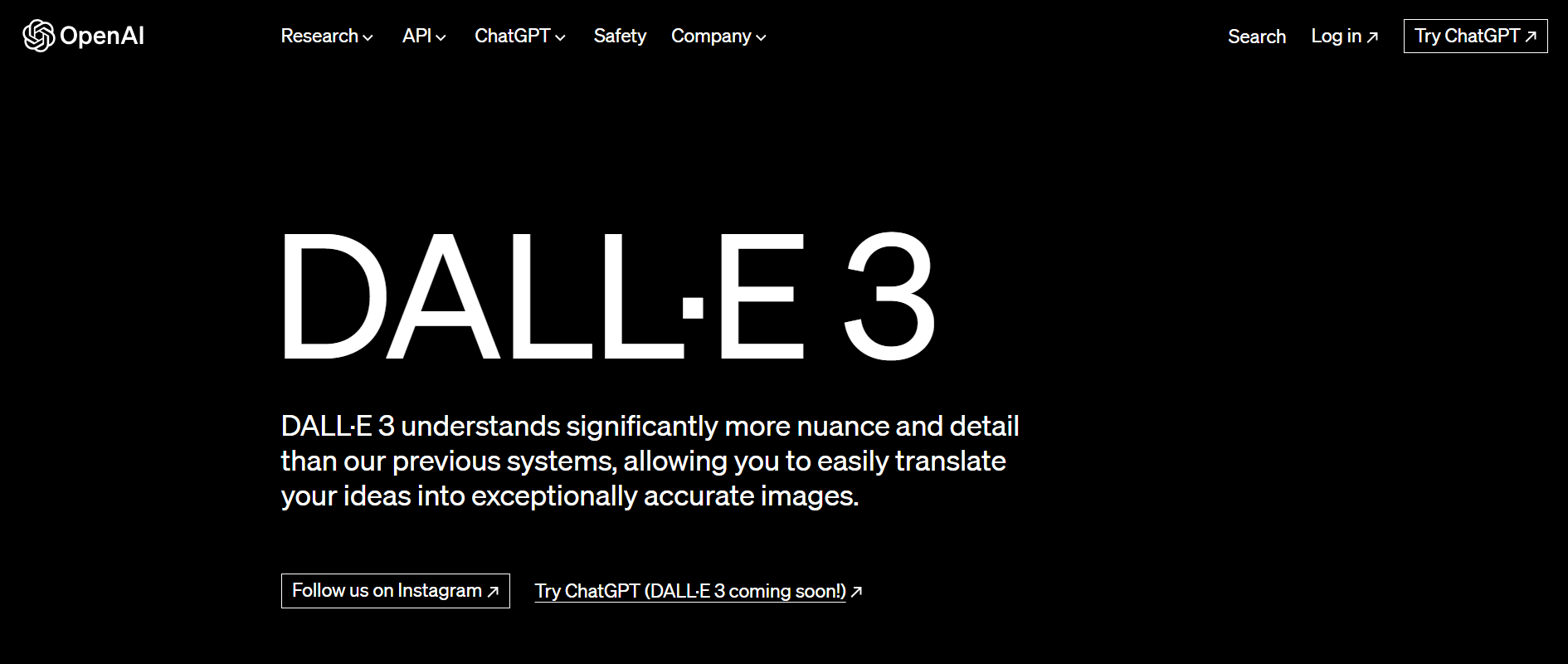
AI image generators such as Midjourney bridge the gap between prototypes and final development. They grasp the design’s intended function and output ready-to-use code snippets or specs for developers.
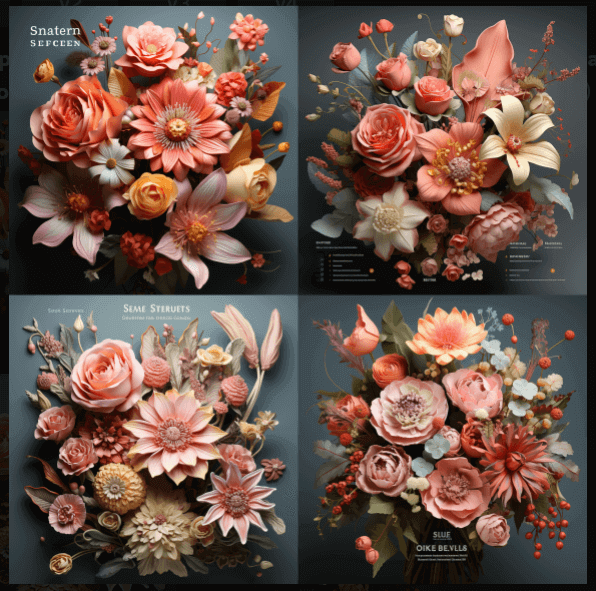
This allows designers to ensure that their guidelines are accurately reflected in the final result. This reduces the risk of misinterpretation or errors during the transfer between design and development teams, saving time, effort, and unnecessary back-and-forth communication.
Midjourney also speeds up iterations: designers can tweak and test ideas on the fly before final build, shortening the development cycle and nailing better results.
AI quickly flags pain points and weak spots, so designers can keep refining the user experience and skyrocket the interface and sales funnel’s performance. 📈
NLP lets chatbots understand what users ask and reply accordingly.
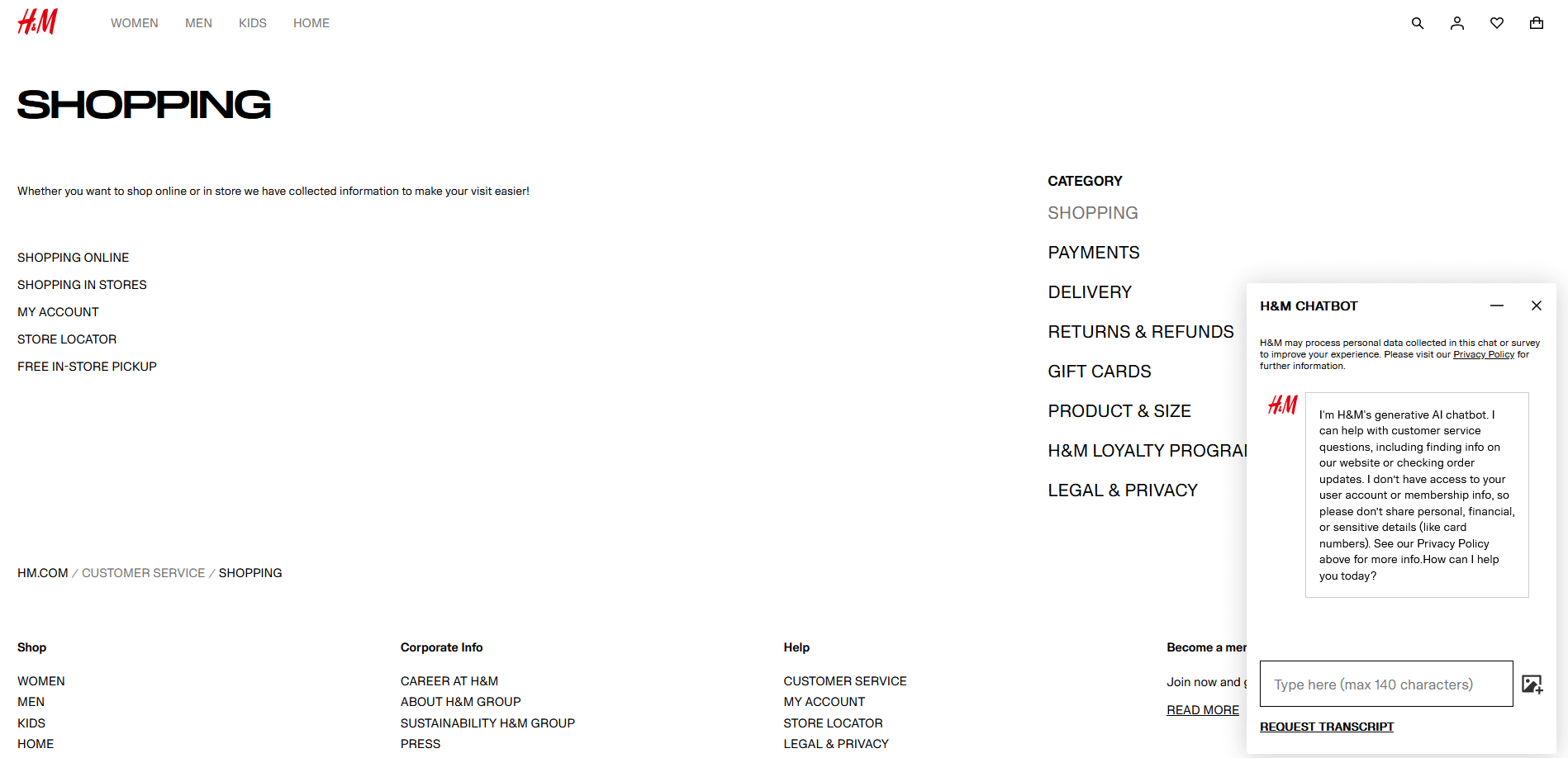
These AI interfaces boost visitor satisfaction and shepherd them through conversion by providing them with real-time assistance.
By weaving AI chatbots into UX, designers deliver 24/7 support, smooth out interactions, and improve user satisfaction.
AI chatbots like OpenAI’s ChatGPT or Google Gemini (formerly Bard) are now UX staples.

They offer a range of applications that enhance the user experience:
Customer support: As mentioned, chatbots can provide instant, personalized help to customers by answering common questions and guiding users through troubleshooting processes.
Conversational interfaces: ChatGPT or Grok mimics real talk. This technology allows designers to create chatbots, virtual assistants, or voice-activated interfaces that engage users in natural language interactions.
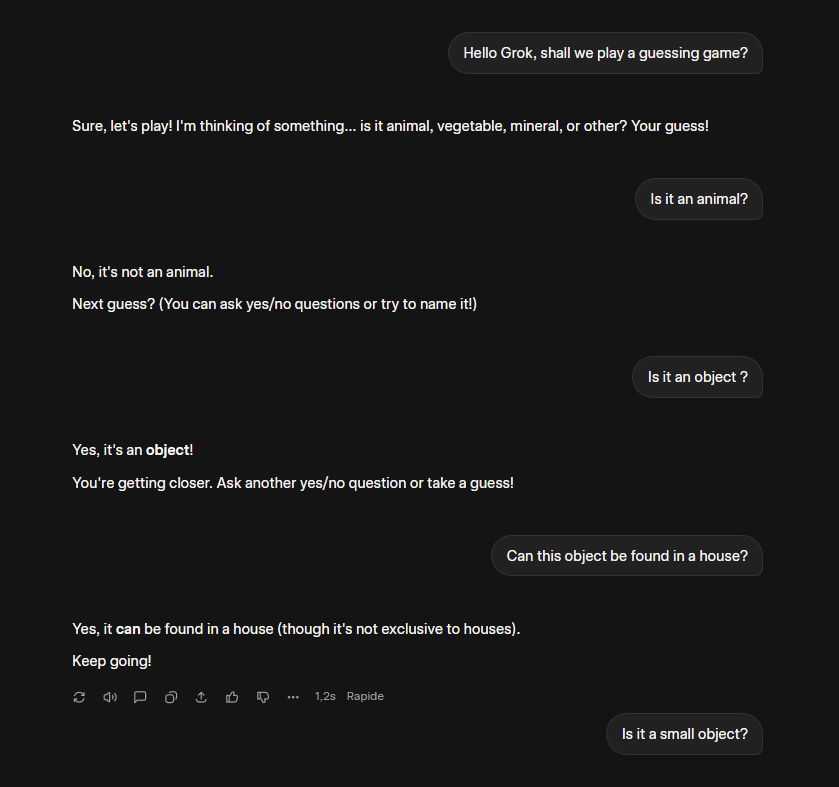
Content recommendations: An AI chatbot can analyze users' preferences, behavior, and past actions to provide them with personalized content recommendations.
Interactive storytelling: A chat-based bot can also be used to create interactive and immersive narrative experiences. Designers can develop chat-based stories where users engage with characters and influence the outcome of the story through their interactions, providing a unique and playful experience.
Voice assistants like Siri, Alexa, and Google Assistant have unlocked fresh UX possibilities: hands-free, natural-language control of apps and devices. 🗣️
This makes connecting and engaging way more intuitive.
AI can process and analyze user feedback, whether it's support tickets or social media conversations.
By extracting useful insights from all that text, UX designers can identify pain points, uncover user needs, and refine their designs accordingly.
Although AI offers immense potential for improving UX design, certain issues must be kept in mind...
AI raises ethical questions related to data privacy, bias, and transparency.
It is essential that designers take care to avoid any negative impact on users.
While AI automation can improve efficiency, it is essential to find the right balance between automation and human interaction. ⚖️
AI algorithms need constant training and adaptation to remain relevant and practical.
Designers have to keep up with the latest breakthroughs to stay up to date.
Since AI relies on large amounts of user data, it is crucial to ensure robust privacy and security measures. 🔒
Designers must prioritize data protection, obtain user consent, and comply with relevant rules to keep trust intact.

AI can inherit biases baked into its training data.
Stay vigilant against discrimination and push for fairness and inclusivity.
AI-driven interfaces must be transparent about their capabilities and limitations.
Functions powered by artificial intelligence must be clearly explained, ensuring that users understand how their data is being used and empowering them to make informed decisions.
Rolling out AI in UX calls for technical know-how, solid resources, and smooth integration with existing systems.
As AI spreads, ethics must come first.
Set up clear regulations to ensure responsible AI in UX, safeguard user rights, and build lasting trust.
The horizon looks bright for AI-fueled UX.
Breakthroughs in deep learning and generative models will unlock sharper personalization, slicker interfaces, and richer experiences.
In conclusion, AI’s impact on UX is crystal clear.
It powers tailored, high-impact, and addictive experiences that spark satisfaction, loyalty, and growth.
AI cracks open thrilling doors for UX—data-driven projects, hyper-personalization, chatty interfaces, and automated design.
Weave AI into your workflow, and you’ll crank out experiences that are more engaging, intuitive, and truly user-first. 💪
Ready to boost your online presence with SiteW and AI?
Get started today!
Last update: December 09, 2025