
SiteW makes website creation easy and enjoyable thanks to a solution without technical or financial constraint.
Testimonials, interviews and examples of created websites. Discover our users’ reviews and creations.
Our history, news and commitments. Beyond online service, discover SiteW.
All resources at the service of your online presence.
11 minutes
Younger generations are turning away from uniformity and perfection in favor of products and experiences that genuinely reflect their individuality and personal identity. 🎨
As a result, customized and original approaches have become essential for brands seeking to inspire, connect with, and attract these audiences.
In this landscape, personalization has become a powerful strategic advantage. Continually evolving, it is now reaching unprecedented levels of sophistication — driven in large part by artificial intelligence, which plays a vital role in crafting truly unique customer experiences, whether across digital platforms or within sales interactions.
Can AI help you read your customers’ minds? Welcome to the world of hyper-personalization! 🙌
Hyper-personalization refers to the practice of using data and advanced technologies, such as AI, machine learning, and analytics, to deliver tailored and fully individualized experiences to customers.
Unlike traditional personalization, which only takes into account basic factors such as name or location, hyper-personalization delves deeper into consumer behavior, preferences, interactions, and contextual data.
These methods enable brands to create a truly unique experience for each individual user.
By leveraging Big Data, analyzing individual customer journeys, and delivering personalized content, businesses can attract new prospects, increase revenue, and reduce operational costs. 💰
Hyper-personalization also makes it possible to proactively tailor experiences and create distinct touchpoints for every visitor.
The ultimate goal is to build strong, long-term relationships, stimulate positive engagement, and drive higher conversion rates and customer lifetime value. 👍
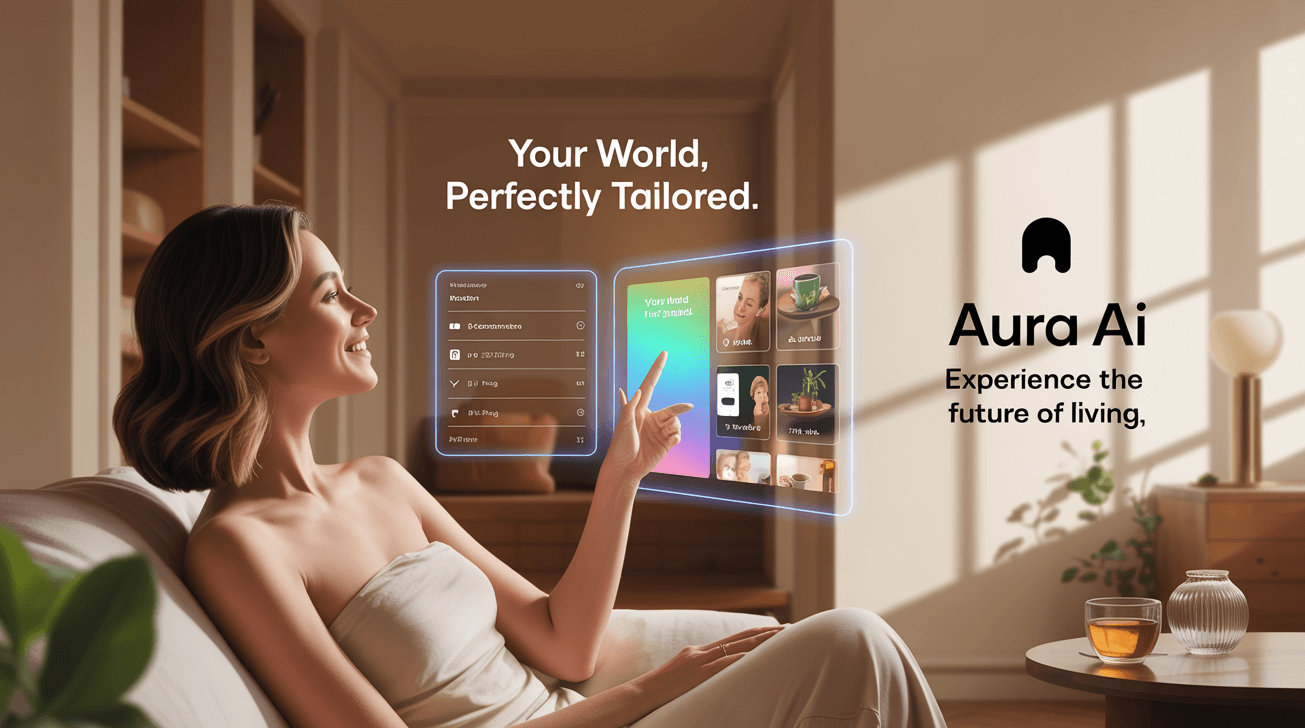
Real-time data is combined with AI-powered processing to determine how content is delivered, which steps of the purchasing journey are recommended, and what offers or messages are triggered.
This approach enables companies to manage every customer interaction based on the knowledge they already have about each individual.
AI-driven hyper-personalization allows brands to model customer behaviors and identify the optimal timing for communications, notifications, and promotional offers.
Thanks to direct user interactions and precise anticipation of customer needs, every point of contact can benefit from this marketing strategy. 🎯
Traditionally, personalization techniques relied largely on historical data analysis to tailor customer interactions.
Hyper-personalization still involves testing and experimentation, but it goes further by using advanced personalization algorithms to optimize the entire customer experience.
Companies that implement hyper-personalization enjoy the following benefits:
When it comes to hyper-personalization, experimenting with different content and user experiences will enable you to develop and refine optimized algorithms. AI enables brands to automate nearly every step of this process.
To maximize your return on investment, you should:

Hyper-personalization relies on a robust customer data platform (CDP) that combines information from multiple touchpoints, including websites, apps, CRM systems, and offline interactions.
By consolidating this data, brands can build detailed customer profiles and design experiences that resonate more deeply with individual audiences. 👌
Once sufficient data is collected, brands must harness the power of artificial intelligence to extract insights and drive hyper-personalization strategies.
AI tools can help visualize the customer journey and optimize it accordingly.

Brands must tailor their messages to each customer segment and consider each stage of the buyer's journey.
AI-powered chatbots and natural language processing (NLP) technologies help brands engage in near-human conversations with customers.
These tools provide personalized guidance, product recommendations, and assistance based on previous interactions and inferred intentions.
By automating these exchanges, companies can offer individualized, real-time support at scale.
Personalization tools leverage AI, machine learning, and data analytics to design and deliver highly targeted experiences for each consumer.
By automating large-scale data collection and analysis, these tools enable brands to optimize every interaction in real time, ensuring customers consistently receive the most relevant content, offers, and product recommendations.
When hyper-personalized content is delivered at the right moment and evolves along the user’s unique journey, it fosters deep, long-lasting relationships between customers and brands.
Personalized recommendations tailor product suggestions based on each shopper’s specific interests, needs, and behavior.
AI can analyze vast amounts of consumer data, such as browsing history, past purchases, and social media interactions, to make relevant suggestions in real time.
This leads to highly customized search results, targeted promotions, and individualized product selections.
AI-powered systems can also provide personalized tutoring, tailoring explanations, examples, and practical exercises to the learner's skill level and learning style. 👨🎓📚
By tracking progress over time, these systems continually adjust lesson plans and address specific challenges, offering truly tailored learning journeys.
By providing contextual guidance — including tone of voice, writing style, audience profile, and objectives — brands can use AI to generate unique content. ✍️
This can include:
...All generated according to individual preferences and interests.
Beyond content creation, AI can also offer highly tailored advice — for example, generating fully customized travel itineraries for upcoming holidays. ✈️🏝️
By taking into account personal preferences such as destinations, budgets, travel seasons, and past experiences, AI-powered hyper-personalization systems can deliver truly unique and relevant recommendations for each user.
Hyper-personalization is not entirely new: many companies have taken advantage of this strategy when designing their digital customer journeys.
What is new, however, is that the technologies enabling these highly advanced capabilities are no longer reserved solely for major global brands.
Here are some examples of companies successfully using hyper-personalization today…
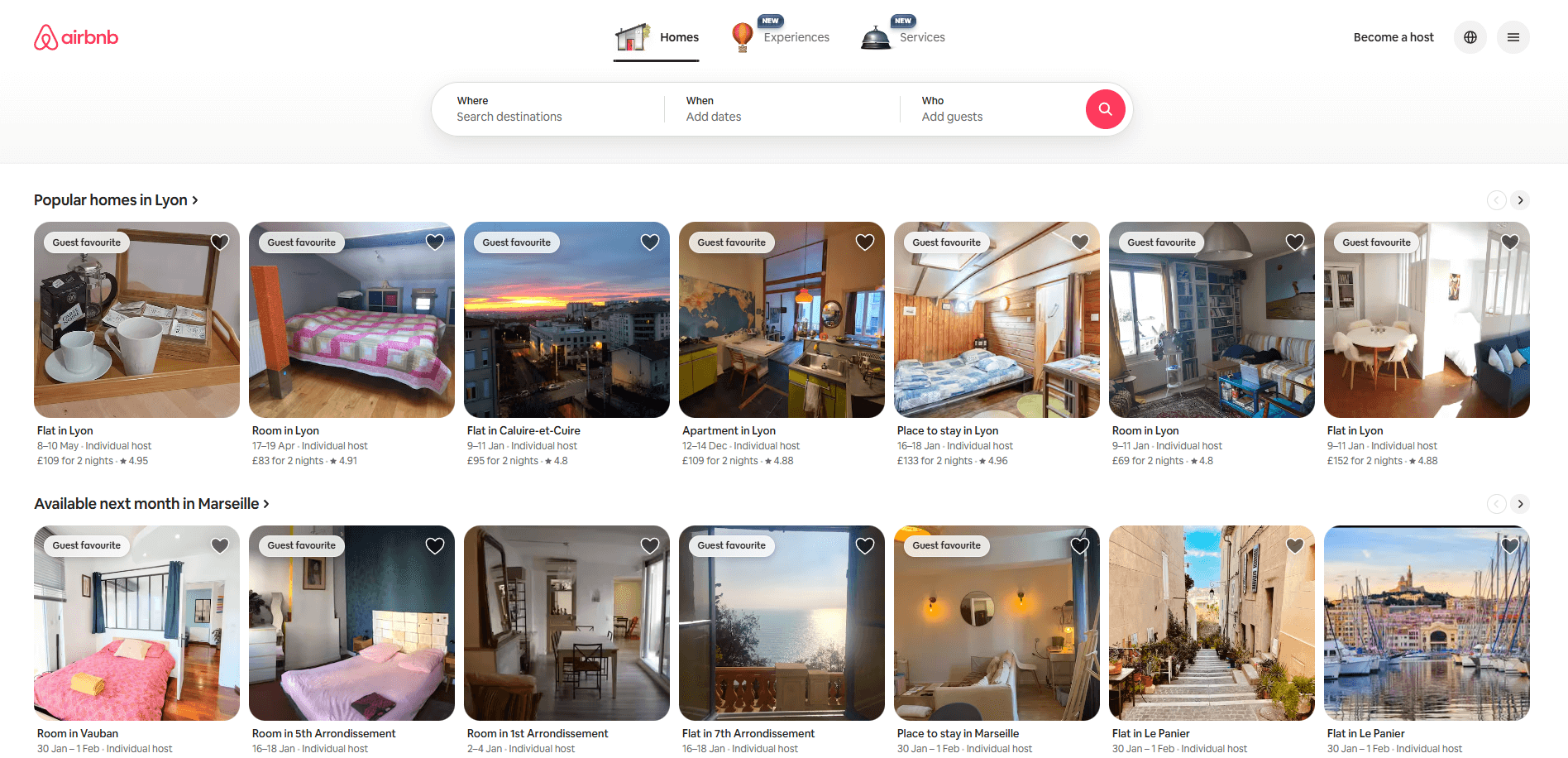
Airbnb uses geolocation technology to automatically populate certain form fields based on a visitor’s location and the service they wish to access on the platform. This simplifies the booking process and improves the overall user experience.
These innovations now allow users to refine their search results using extremely detailed filters, including size, location, and contextual needs.
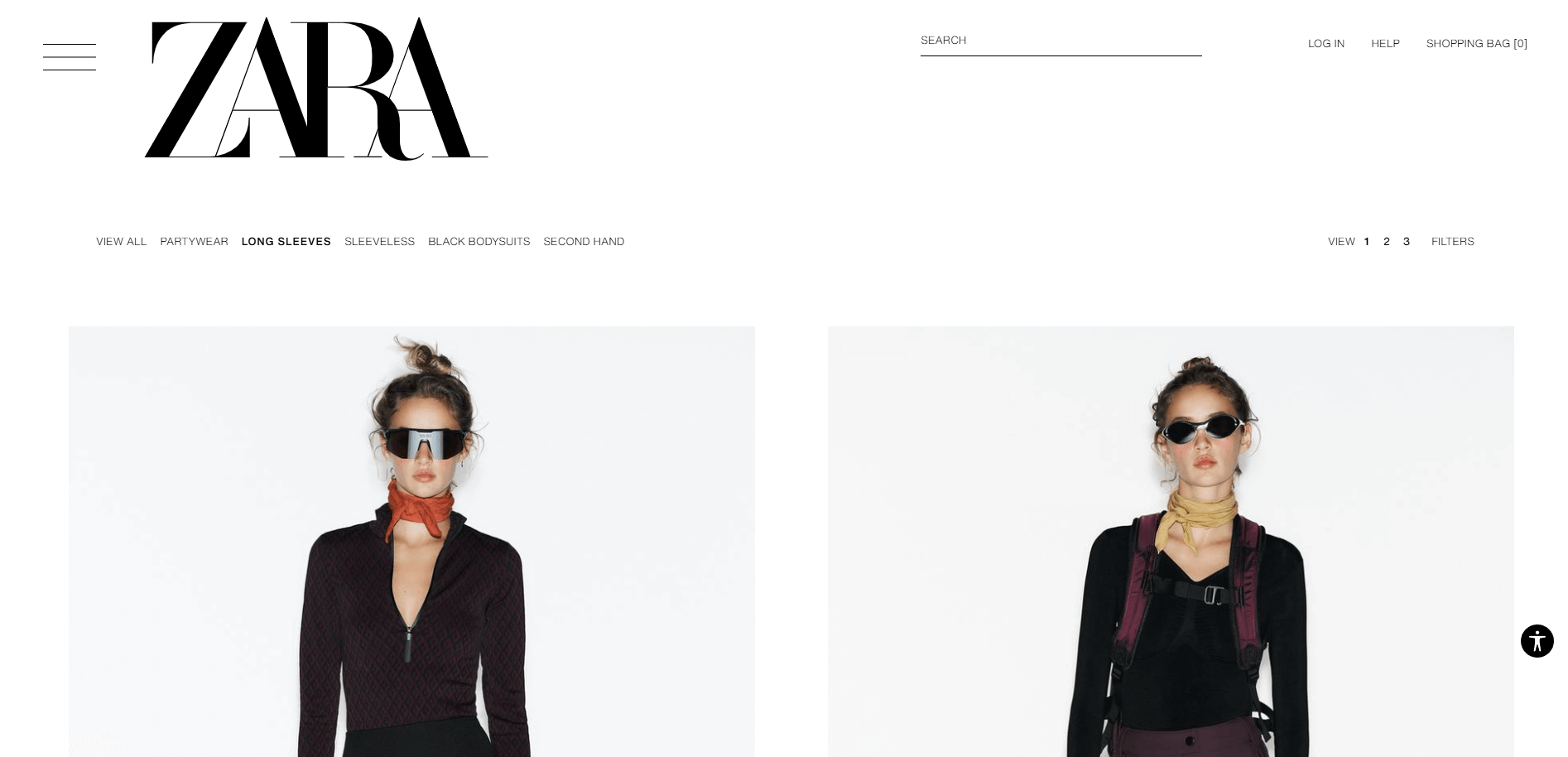
For example, searching for a suit for an event in Paris in May factors in the typical weather conditions during that time of year. In addition to product recommendations, results are accompanied by clear explanations outlining why each item matches the buyer’s specific needs. ✨
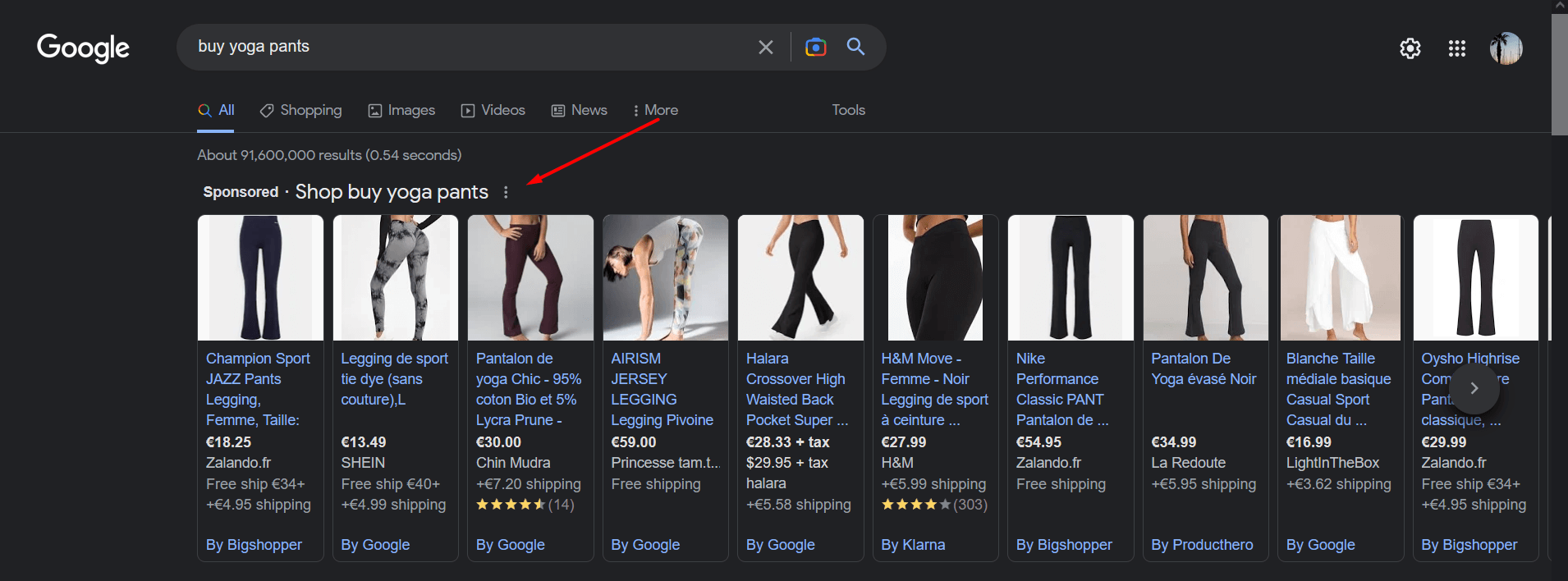
Even when visitors leave the Reebok website without completing a purchase, their browsing activity is still tracked. Reebok then sends personalized email recommendations featuring products aligned with each user’s interests and browsing behavior.

Amazon is one of the earliest companies to have built its entire ecosystem around hyper-personalization.
Users benefit from:
From the beginning, Amazon has continuously refined its user journey by removing friction points and adapting to each customer’s habits and preferences.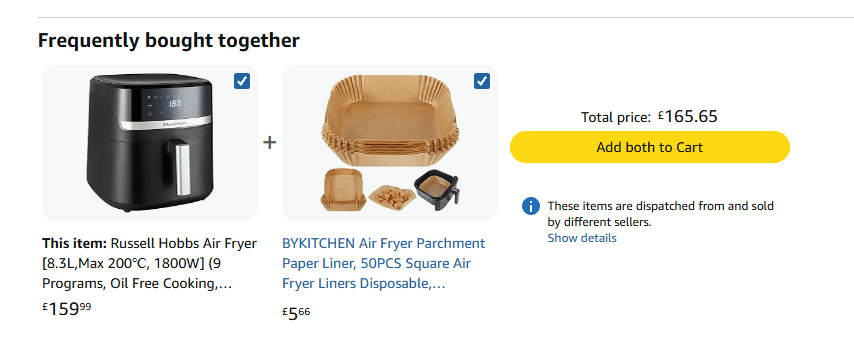
Here are a few examples of how artificial intelligence is pushing personalization to new frontiers — particularly within the fashion industry...
Last spring, Reebok launched a new Instagram account called @ReebokImpact, with an enigmatic description: “You have just entered the future.”
Users were invited to upload a favorite personal photo, which was then transformed using augmented reality into a personalized portrait featuring digital sneakers. 👟📷
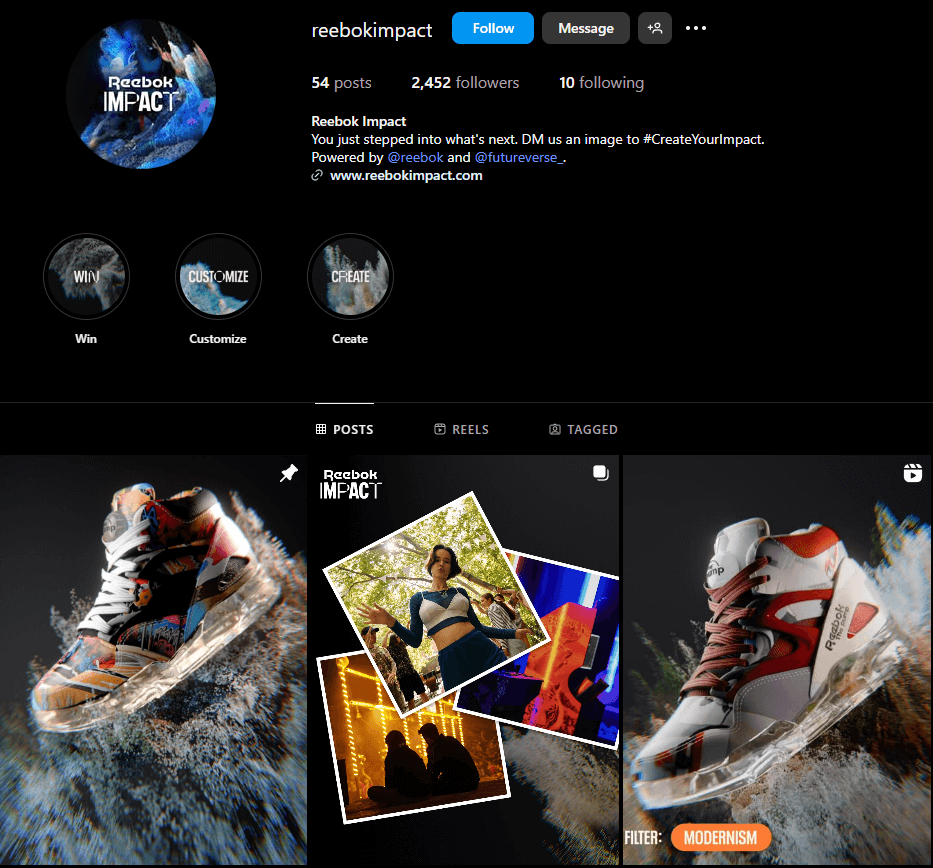
The goal was to create a unique memory piece that can be shared with friends and family. The brand markets this as a new form of digital self-expression.
Currently in beta, AM By You is Adore Me’s hyper-personalization initiative. Adore Me is the lingerie brand owned by Victoria’s Secret.
.png "custom lingerie, Adore Me")
This feature allows customers to design their own personalized lingerie set. It starts with describing the desired design in the user's own words and selecting one of three artistic styles (watercolor, graphic, or abstract). 👙
Entrepreneur Julie Bornstein is working on an AI-powered platform to create a personalized fashion catalog featuring carefully selected pieces.
His new start-up, Daydream, takes a unique approach to shopping, based on artificial intelligence, allowing users to “chat to buy,” i.e., search for fashion items using natural language prompts (e.g., “I need a blue dress for a birthday,” “I want to buy retro but timeless shoes,” or “I love this style, but I'd prefer it in red”). 👗
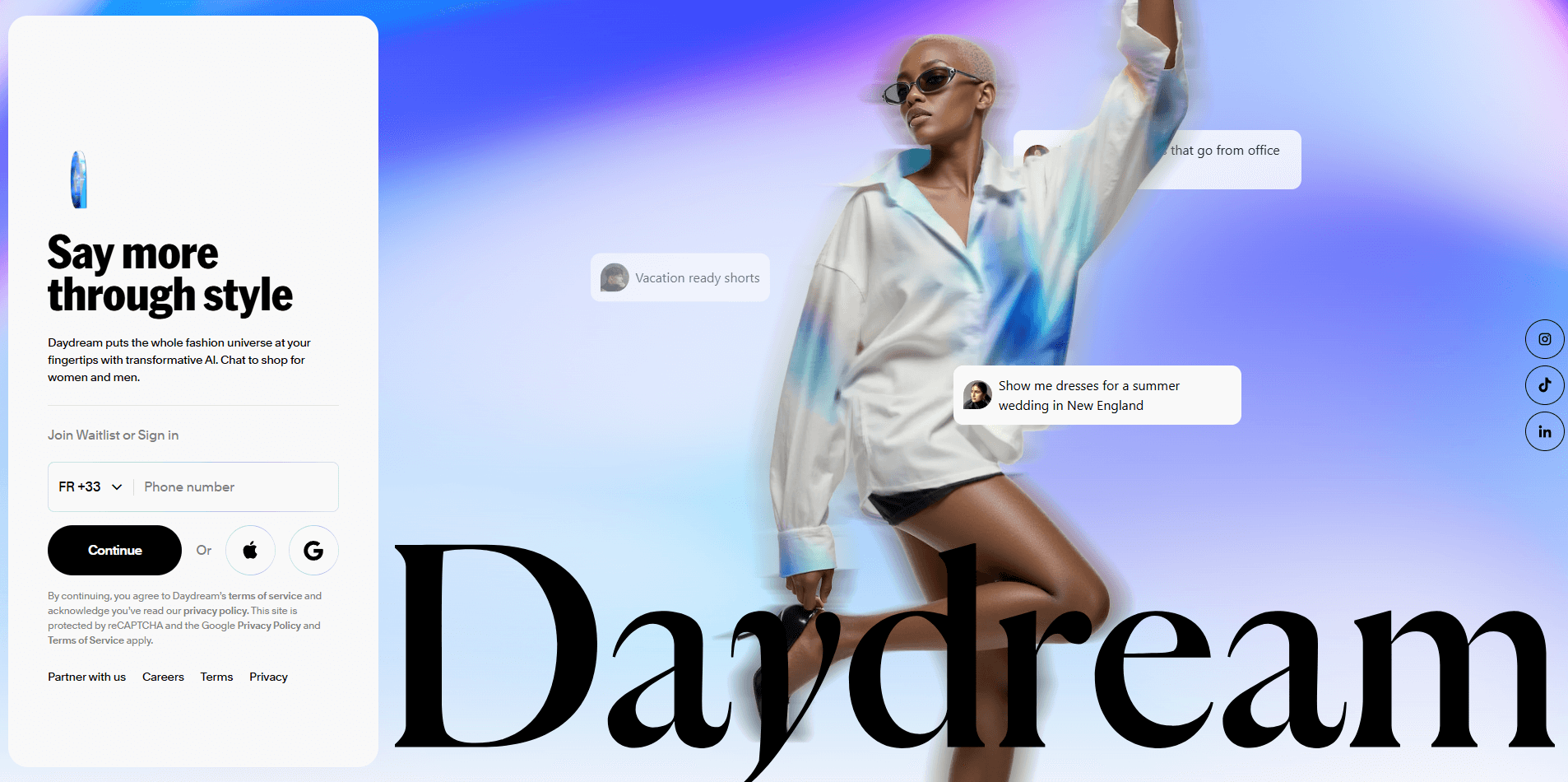
After raising $50 million in seed funding, Daydream stands out by limiting options to a concise, carefully selected range of personalized recommendations — avoiding the overwhelming effect of endless product lists.
Last December, Unspun launched a data-driven platform aimed at setting a new standard for clothing size selection in the fashion industry.
After completing an online questionnaire or participating in a body scan, users receive highly accurate, fully personalized clothing recommendations generated by AI algorithms.
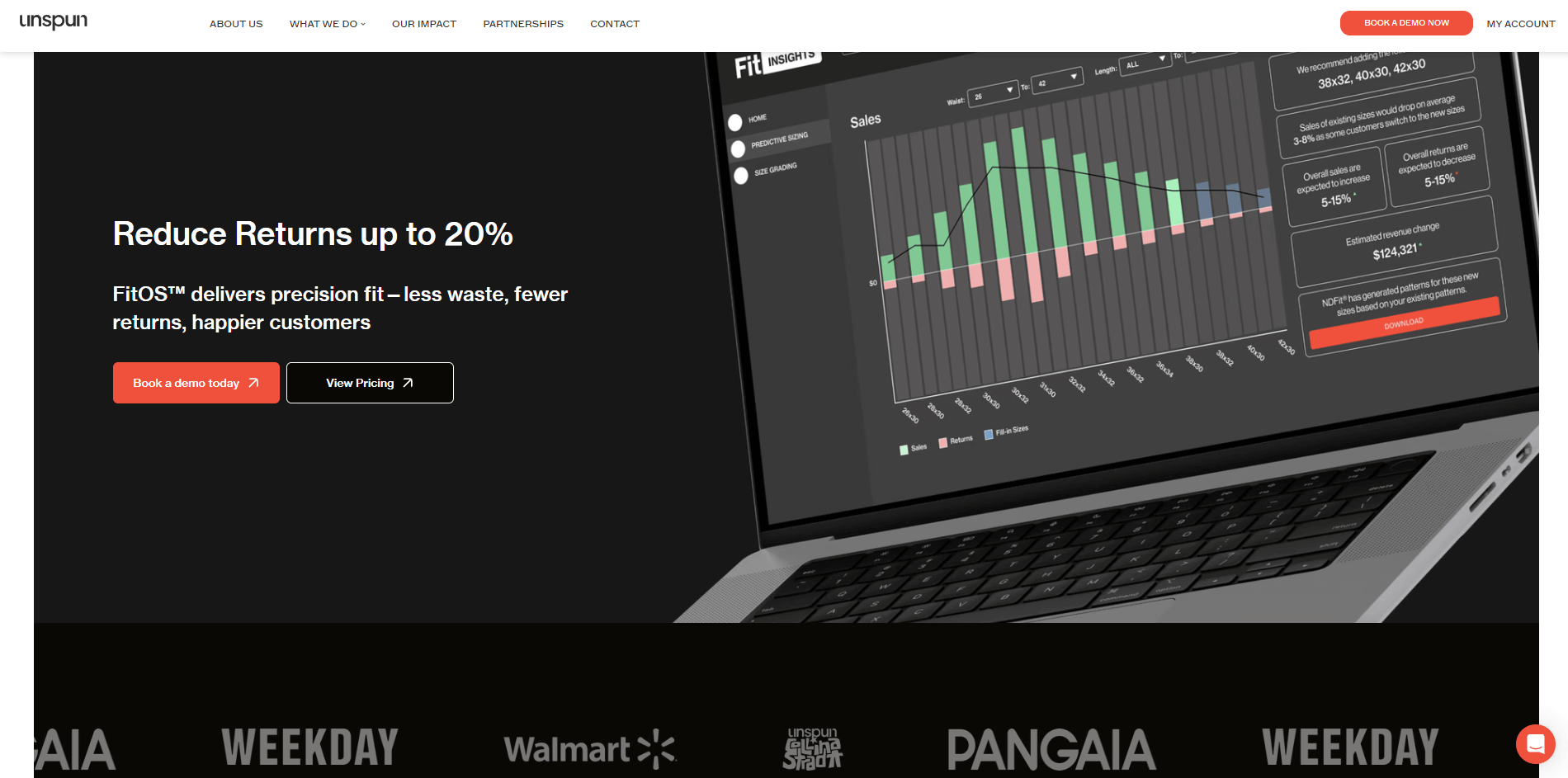
FitOS goes beyond traditional, static body measurements, taking into account not only height, weight, and waist size, but also body shape, proportions, and posture. 😮
This holistic approach allows the technology to offer a much more advanced experience. The platform even adapts its recommendations based on the specific fabric and cut of each garment.👚👖
For consumers, this level of personalization addresses one of fashion’s most persistent challenges: poorly fitting clothes.
Unspun sees this as the catalyst for a more significant change in the industry, where clothes would be produced on demand, perfectly tailored to each individual, and where the concept of standard sizes would become obsolete.
By leveraging AI, advanced analytics, and real-time data, companies can create highly relevant and personalized experiences that drive customer engagement, increase conversions, and build lasting customer loyalty.
However, it is essential to ensure that data is accurate, obtained ethically, and used transparently in order to build trust with consumers.
As hyper-personalization continues to evolve, brands that fully embrace this approach will be ideally positioned to deliver exceptional customer experiences and achieve significant business growth. ✅
Last update: July 19, 2026