
SiteW makes website creation easy and enjoyable thanks to a solution without technical or financial constraint.
Testimonials, interviews and examples of created websites. Discover our users’ reviews and creations.
Our history, news and commitments. Beyond online service, discover SiteW.
All resources at the service of your online presence.
12 minutes
In recent years, alongside the rapid rise of artificial intelligence, augmented reality (AR) headsets and glasses have gradually shifted from science fiction into everyday life… 🥽🤖
Step by step, brands are embracing these emerging technologies, capable of overlaying interactive elements onto the real world.
And the experience isn’t limited to specialized equipment: today, anyone can easily access augmented reality using nothing more than their smartphone. 📱
In this article, we’ll take a closer look at how AR can be used in a business context, explore concrete examples of its applications, and see how it has the potential to transform entire industries. 💥
What exactly is augmented reality? 🤔
It’s a technology that enhances the real world by adding artificial digital elements.
Put simply, whenever you use software or a device to introduce new visual, auditory, or sensory experiences into what you’re currently seeing, you’re using augmented reality.
In most cases, this takes the form of smartphone apps that overlay virtual elements onto your surroundings - but its applications go far beyond that.

Today, it’s possible to try on lipstick virtually. Of course, it doesn’t work the same way as in a traditional store ; you select the shade and apply it to an image of your face to see how it looks on you. This virtual try-on experience offers an immersive and personalized shopping journey, allowing you to confidently choose the color of your choice. 💄👍
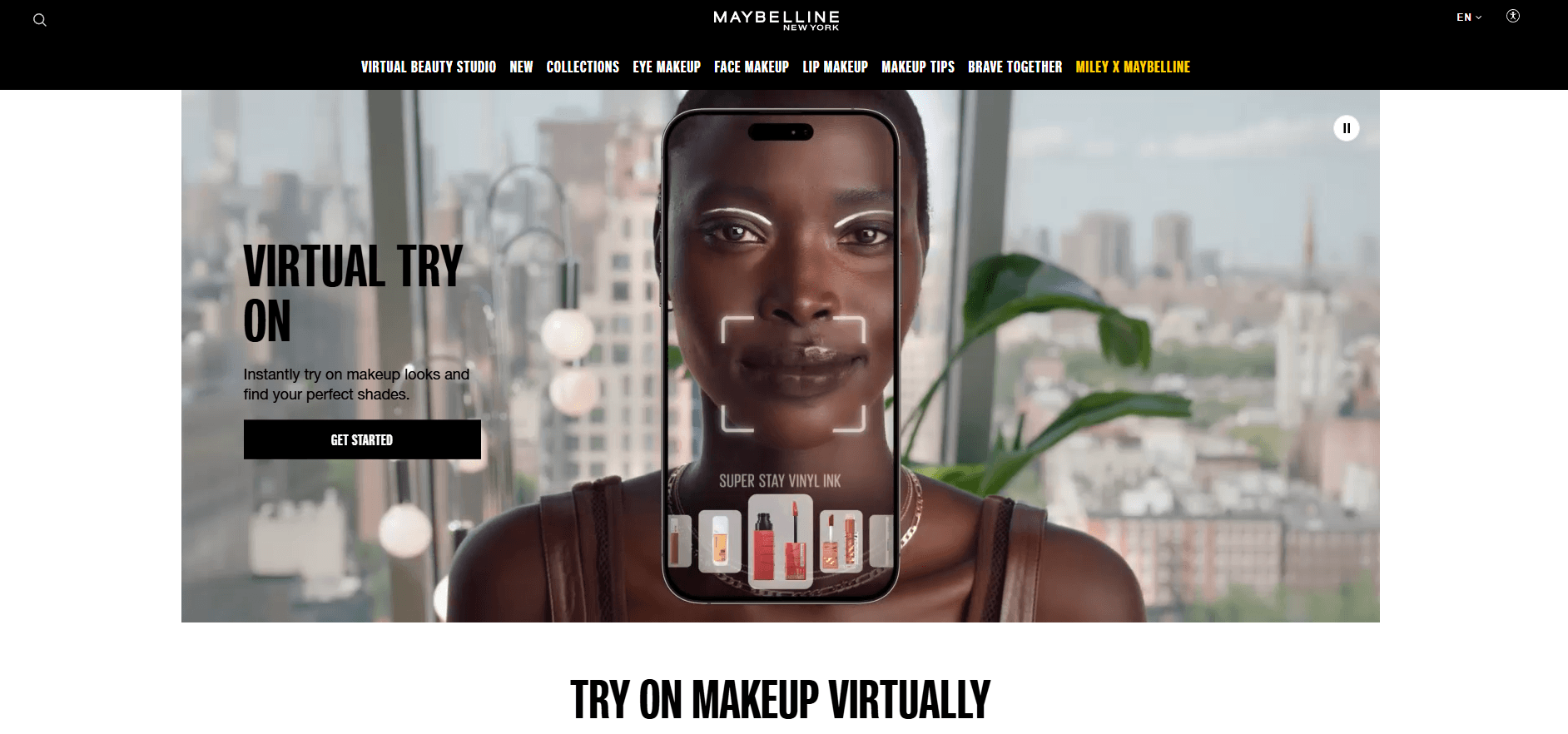
Companies across all industries are already using augmented reality solutions for a wide range of purposes…
Augmented reality creates immersive and interactive experiences for customers.
Businesses that use AR applications can capture their audience’s attention with highly engaging content.
This innovative approach takes customer engagement to an entirely new level.
A customer can visualize how a sofa will fit into their living room before completing a purchase. 🛋️
Hands-on experiences powered by augmented reality offer a valuable alternative to traditional manuals and training videos.
Employees can learn complex procedures, operate specialized equipment, or even solve problems in real time, making the learning process far more effective.
AR is also particularly well suited to gamification! 🎮
Whether it’s optimizing supply chain management, improving logistics, or enhancing maintenance and repair processes, augmented reality plays a key role.
With AR, employees can access critical data in real time, leading to better decision-making and increased productivity.
In marketing and sales, companies are using augmented reality to deliver interactive and personalized customer experiences.
These applications not only help drive sales but also strengthen brand loyalty. 🏠
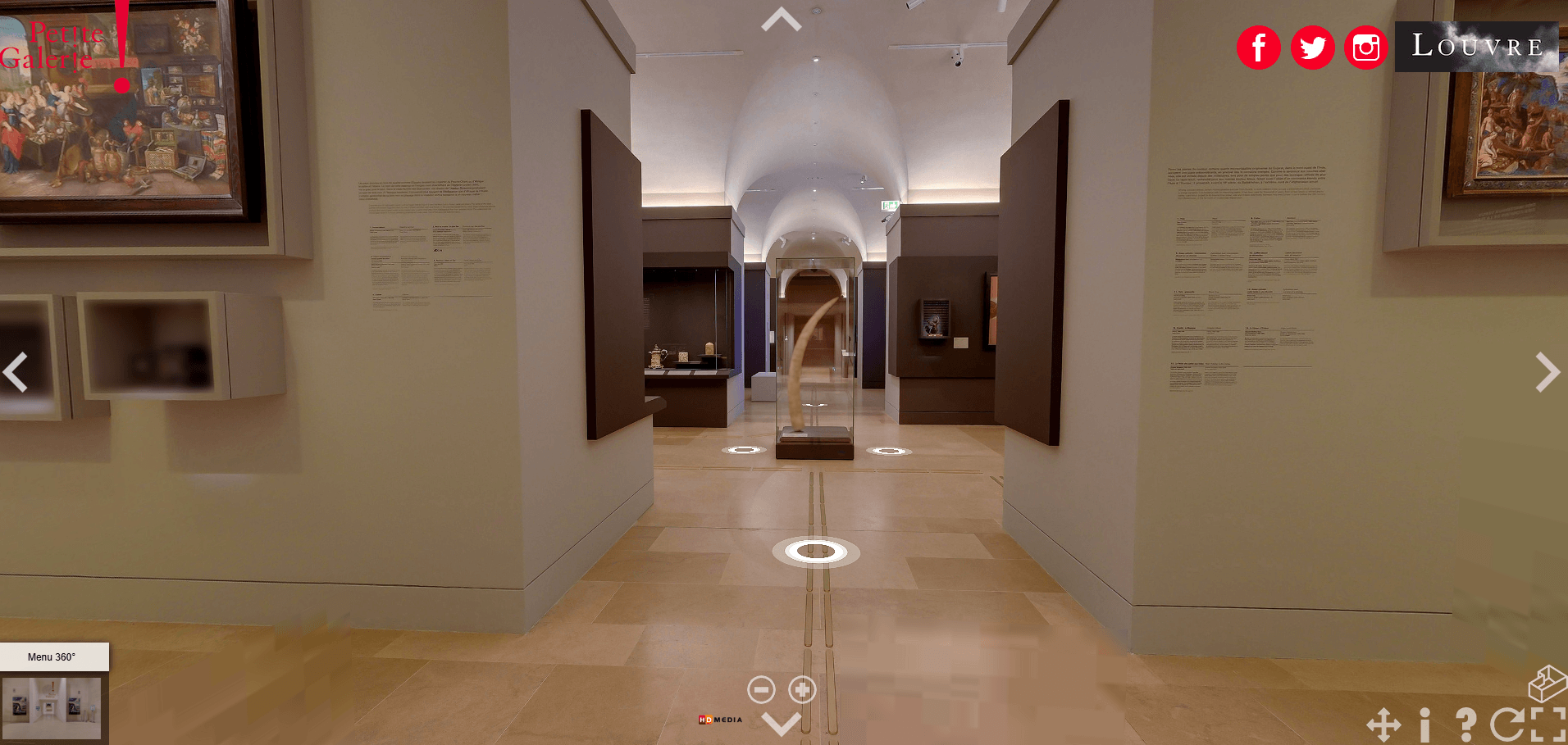
Companies are using AR to provide potential buyers with immersive demonstrations, allowing them to see and interact with products as if they were physically present.
AR helps companies stand out, make a lasting impression, and build deeper connections with their audience.
These enhanced experiences foster stronger brand recognition, customer loyalty, and the collection of valuable feedback.
Augmented reality offers factories the opportunity to improve their production processes, increasing profitability.
AR enables the exchange of information without physical constraints such as cables and devices, which is a major advantage.
It can also streamline the onboarding of new hires by providing them with access to interactive instructions, thereby improving safety and reducing training time.
In addition, AR in industrial environments delivers real-time insights into the performance of equipment and infrastructure, improving access to critical operational data.
Augmented reality has also found its place in design and modeling.
For example, it allows architects to visualize and modify building plans in real time. This not only improves accuracy but also encourages more creative thinking. 📐✏️
Industrial design also benefits from this technology helping to streamline product development. Designers can interact with 3D models, manipulate them, and assess their ergonomic and functional qualities. This hands-on approach enables rapid prototyping of new products, reducing both time and costs.
To explore the impact of artificial intelligence on web design in greater depth, feel free to check out our dedicated guide!
One of the most prominent applications of AR is the rise of filters and lenses on platforms like Snapchat and Instagram.
These tools allow users to add masks, animations, and digital effects to their photos and videos.

Social media platforms have also begun experimenting with location-based augmented reality features.
Users can unlock special filters when they visit specific locations, making the sharing of travel experiences more immersive. ✈️🏝️
A practical use of augmented reality in event management is helping attendees navigate large venues.
AR-based maps and navigation systems can guide visitors to booths, stages, restrooms, or food areas, ensuring a smooth and stress-free experience. 🧘
Augmented reality can also be used to create interactive event-related promotions, such as accessing presentations or downloading documents.
If you’re considering integrating augmented reality into your business strategy, start by identifying the problem you want to solve with this technology.
For example, it could address inefficiencies in your workflow.
Imagine your company’s quality control process is particularly time-consuming. One possible reason is that employees have to sift through stacks of paper instructions to complete their tasks.
This inefficient approach leads to wasted time. In the long run, this results in a significant drop in productivity.
In this case, augmented reality could offer a valuable solution by integrating all the steps required to perform a test directly into an AR headset. The system could then interact with the user’s actions and respond to them in real time.
Let’s look at a few use cases for augmented reality… 👇
The manufacturing sector is expected to be one of the biggest beneficiaries of AR. Combined with the rollout of 5G connectivity, offering speeds up to 100 times faster than 4G, augmented reality can represent a tremendous opportunity for factories to improve many of their manufacturing processes.
One key advantage is cost: this technology is significantly less expensive than investing in additional physical equipment. 🤑
It is also far more efficient when it comes to sharing information.
Onboarding new hires
As mentioned earlier, augmented reality enables new employees in industrial environments to access interactive, step-by-step instructions for operating machinery, with key information overlaid directly onto the equipment.
As a result, AR-based onboarding improves worker safety while significantly reducing training time. ⏱️👷
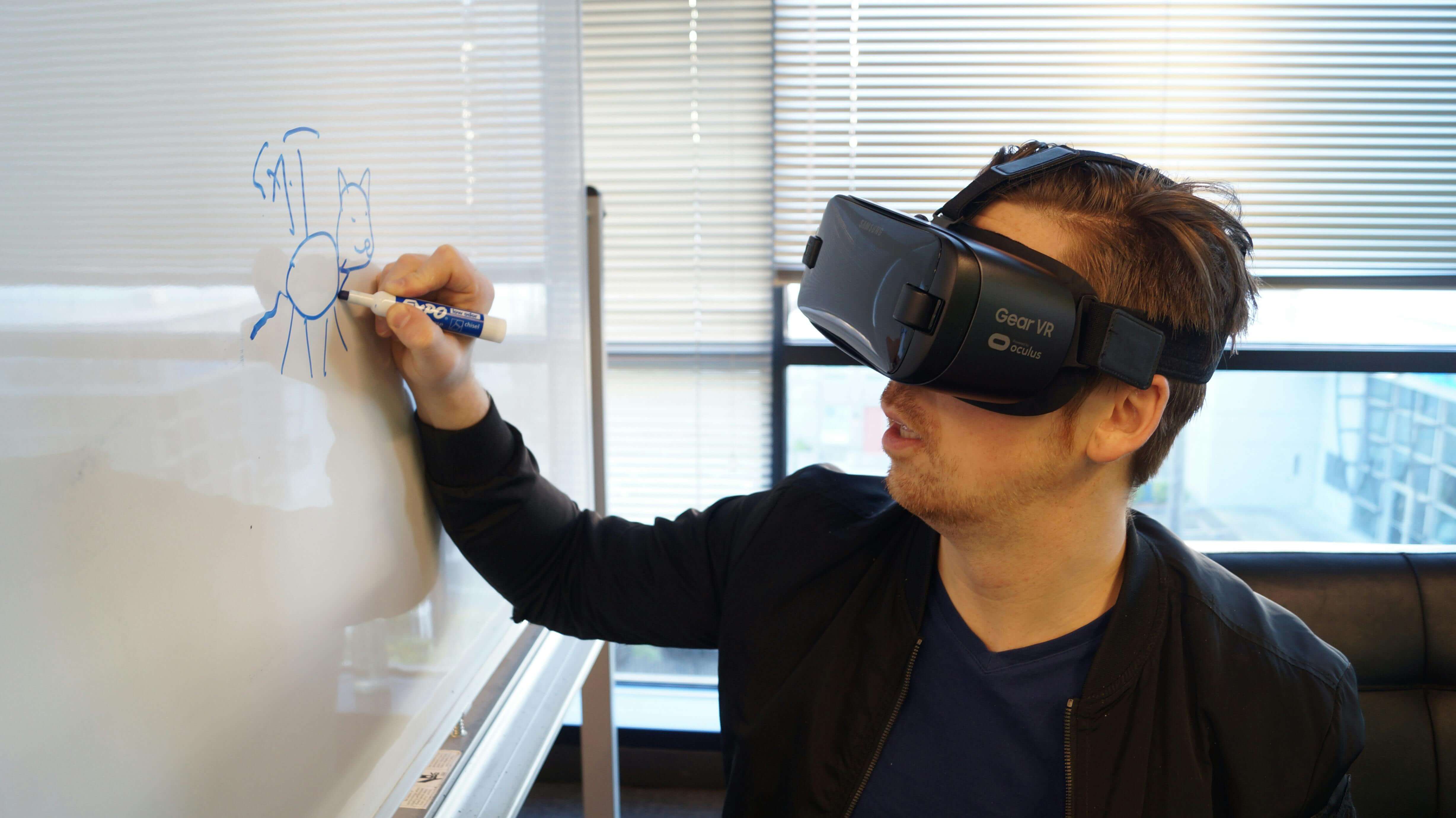
Productivity
AR-enabled headsets can help employees navigate factory environments more efficiently, leading to long-term productivity gains.
In addition, engineers can request a specific part simply by pointing at it. 👉
Operational information
By overlaying AR elements within a factory, employees can instantly access data on the performance of equipment and infrastructure.
Safety
AR solutions can alert employees to potential hazards, such as areas closed for maintenance.
In emergency situations, workers in need of assistance can automatically share their location. 📍🗺️
As vehicles integrate increasingly complex technologies, they are becoming more challenging to maintain. Mechanics may not always have the specialized expertise required to service them.
Remote assistance
AR-powered remote assistance allows engineers to guide other employees through complex repair and maintenance procedures on vehicles.
Training
AR-based workshops offer an effective way to transfer knowledge. Engineers can take part in digital training sessions where they learn how machines operate and how to assemble different components.
Prototyping
Each new prototype iteration can be extremely costly for automotive companies - sometimes reaching up to $100,000.
Immersive design solutions enable companies to refine and improve product concepts without incurring these expenses. 💰
Content consumption
Augmented reality can enhance written content by providing visual support to better illustrate concepts and events.
Board games
Traditional board games can leverage augmented reality to create more immersive experiences.
Physical game boards can be transformed into interactive 3D adventures. The board itself remains unchanged, while the elements become virtual. ♟️
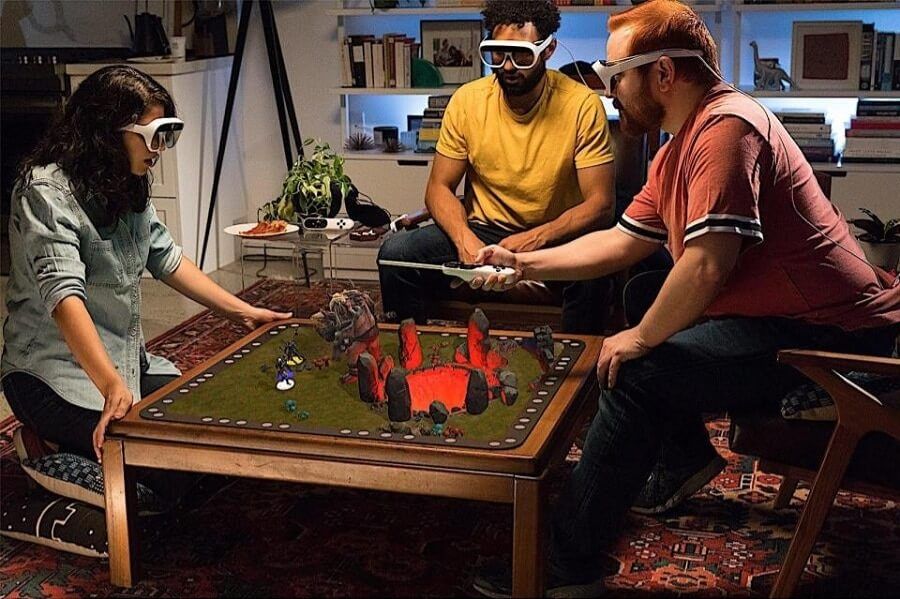
Image source: Realite-virtuelle.com
In the military, soldiers can use augmented reality, which converts sensor data into visuals (through data visualization), to better understand their surroundings.
Situational awareness
Sensors and cameras integrated into AR systems provide soldiers with enhanced visibility and a deeper understanding of their environment. 🪖
Aviation
Augmented reality can overlay maps and key data directly into a pilot’s field of view, reducing the need to look away at separate screens.
Guidance for vacation rental guests
In addition to remote virtual tours before booking, AR can help vacationers find their way around the property or explain how to use and locate various amenities.
Guests simply need to put on a headset or use a mobile app to explore the space on their own, following step-by-step instructions.
Immersive experiences
To promote destinations and the services they offer, travel agencies can use augmented reality to create guided tours.
This allows customers to discover interactive content and gain deeper insight into a destination.
To further enhance the experience, travel agencies can offer advanced digital travel guides, tailored to each traveler’s preferences.
In the fall of 2023, in the United Kingdom, Coca-Cola launched #TakeATasteNow, a large-scale AR-powered digital experience, in partnership with the Tesco Group. 🥤
For the first time as part of a digital signage campaign of this kind, smartphone users could interact directly with the screens and modify the displayed content in real time.
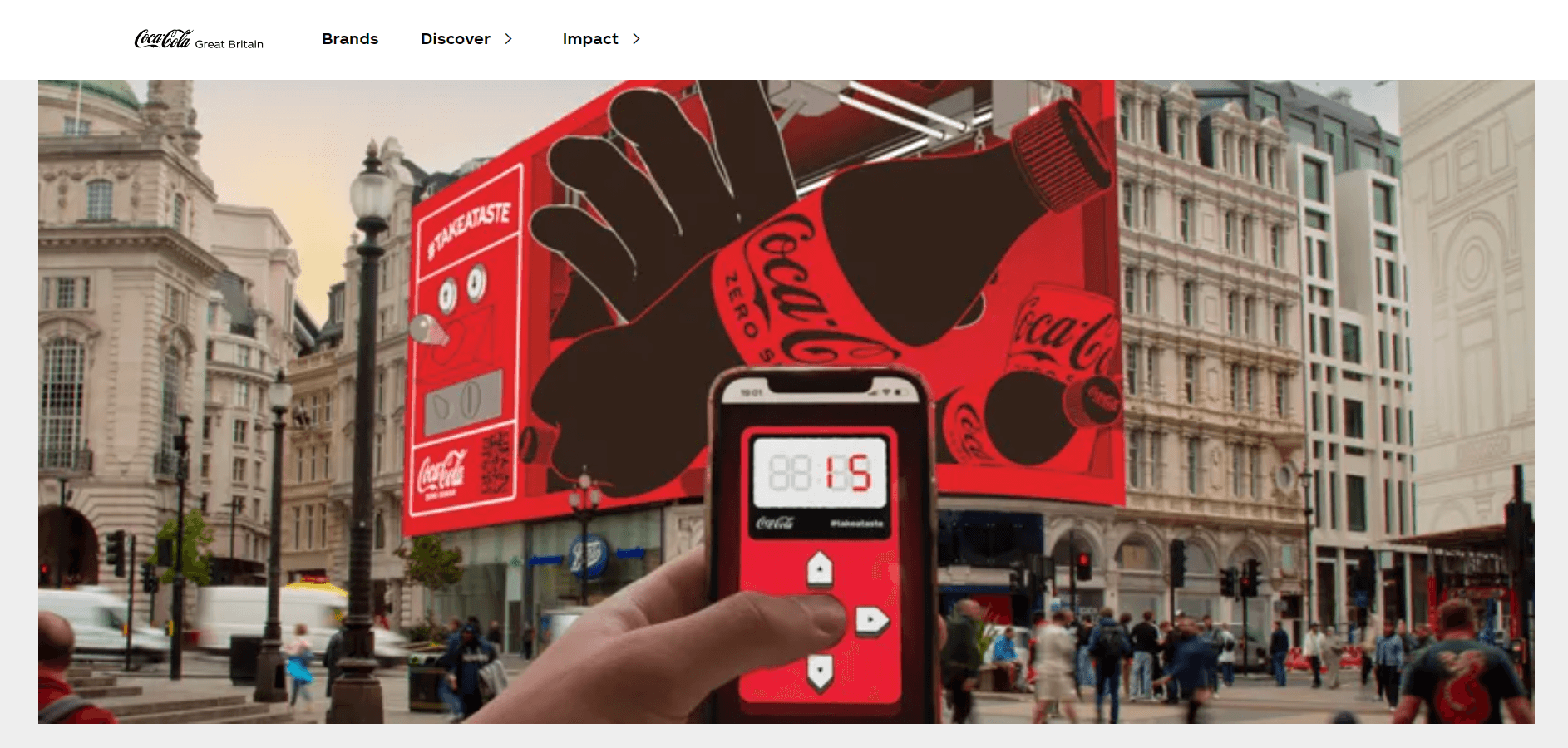
They could also scan a QR code to receive a digital bottle of Coca-Cola Zero on their smartphone along with a voucher redeemable for the physical product at a nearby Tesco store.
The free bottles encouraged product discovery and adoption, while the AR campaign delivered a far more memorable experience than simply handing out samples on the street.
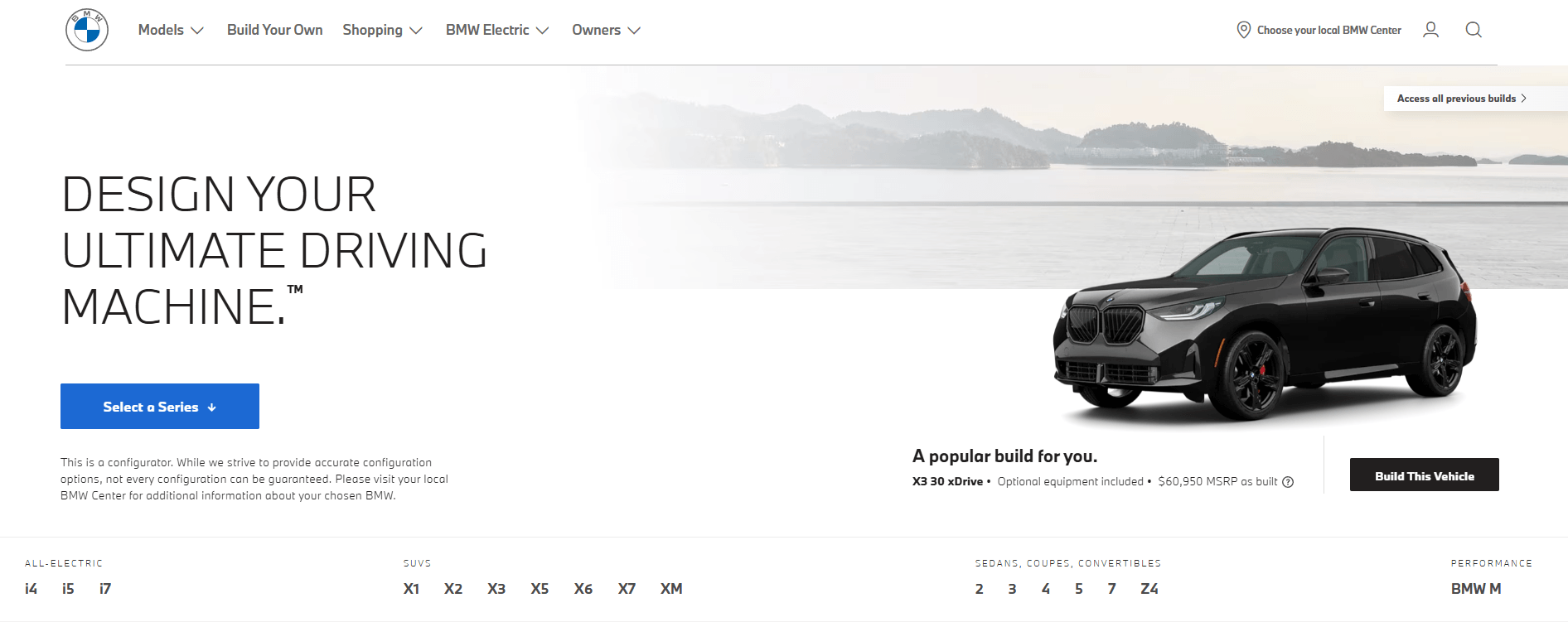
At BMW, augmented reality lets users customize car models to their preferences - choosing parts, colors, and both interior and exterior features. 🚗
Once satisfied with their selections, users can even switch on the lights and play the radio.
Tapping into the potential of augmented reality, Christian Dior launched an interactive campaign to promote its Dior Addict lipstick for Eid 2023 - a period during which online searches for beauty products increase by 35%. 👄👁️
In collaboration with Google and Spark Foundry, Christian Dior added AR technology to its YouTube ads. The campaign featured a panel displaying different lipstick shades on models with various skin tones, before inviting users to try them on themselves using their smartphone camera.
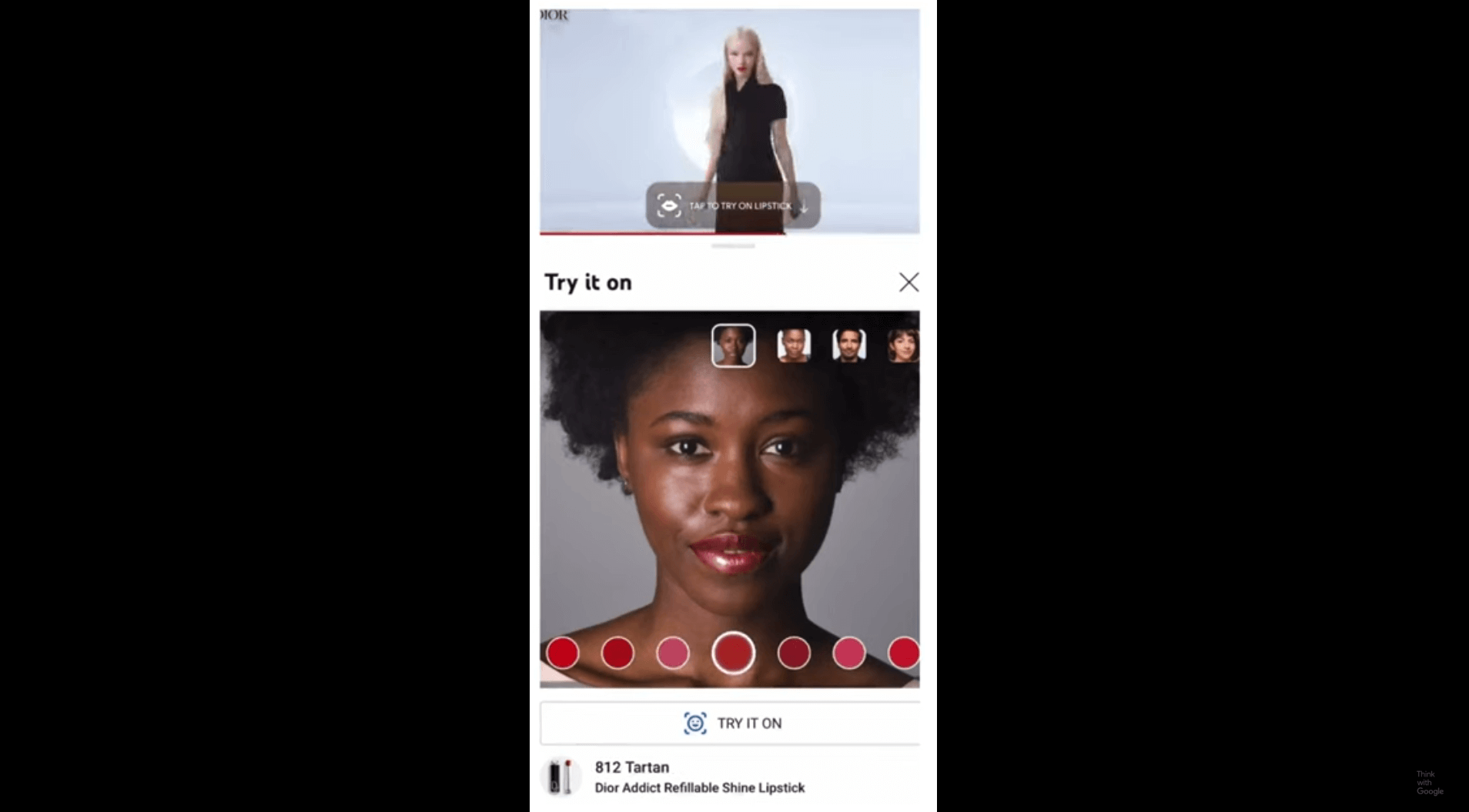
The campaign ran across Saudi Arabia, the United Arab Emirates, Kuwait, and Qatar, reaching over 4 million people over a 21-day period. Around 40% of consumers engaged with the campaign, generating over 400,000 interactions, taking more than 2,000 screenshots on mobile devices along the way. 😮
McDonald's is one of those brands that no longer needs to build awareness - but situational marketing remains essential in the fast-food industry.
To celebrate the global event that is the World Cup, the brand launched an AR experience tied to its limited-edition French fry packaging: McDonald’s Fry Boxes. 🍟
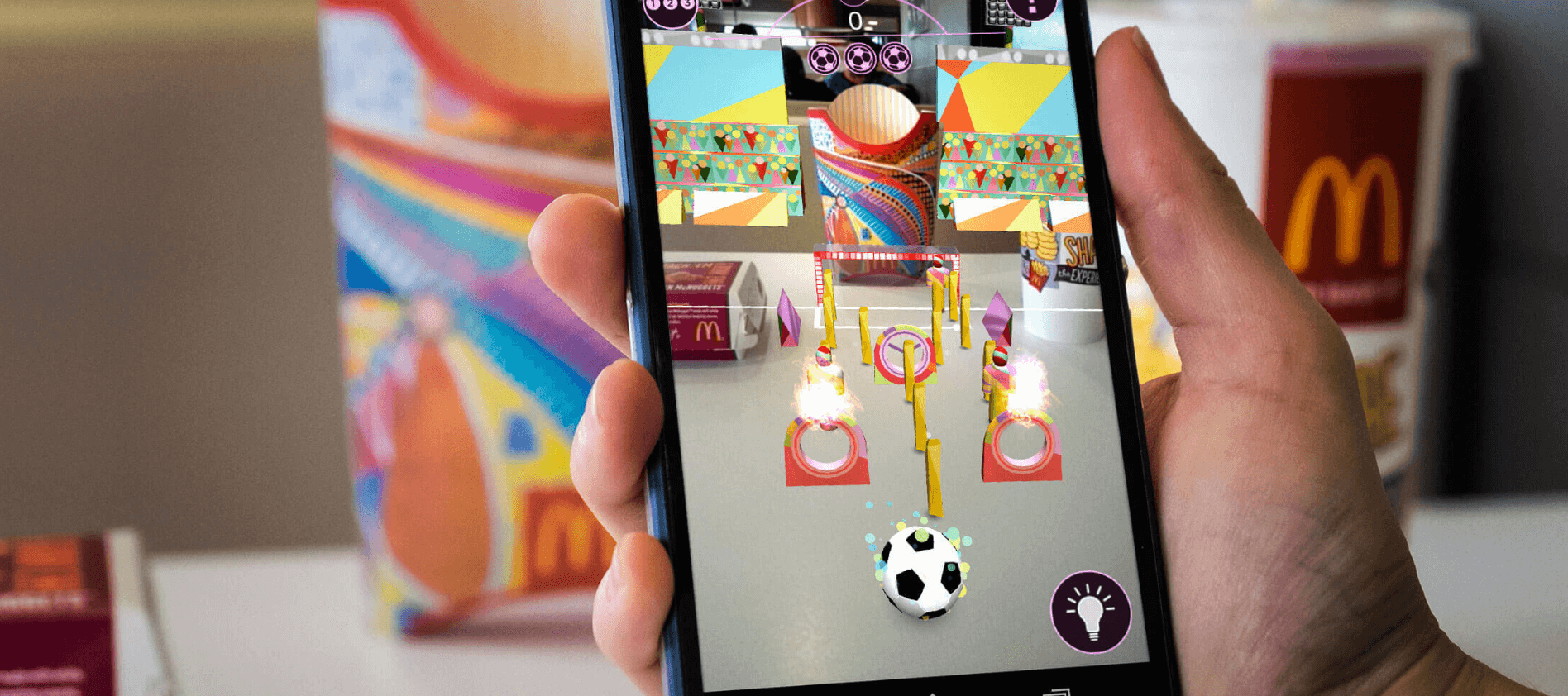
Image source: Triggerxr.com
In addition to projecting the image of a brand that keeps pace with technological innovation, McDonald's also contributed to the spirit of the global event through its international presence. ⚽
To dive deeper into brand partnerships (also known as co-branding), feel free to check out our dedicated article on the topic. 👀
In the summer of 2023, the Barbie movie took movie theaters around the world by storm, driven by a highly successful marketing campaign - particularly an augmented reality experience developed in partnership with Snapchat. 👱🏻♀️🎀
In June, ahead of the film’s release, the production company, Warner Bros. Pictures, launched a “Barbie Wardrobe” AR lens. This feature allowed Snapchat users to see themselves wearing outfits inspired by the film - such as the iconic pink-and-white cowgirl look, complete with a white Stetson hat.
After the movie’s release, a second promotional campaign invited users to scan famous landmarks around the world, such as the Eiffel Tower, the Sydney Harbour Bridge, Berlin’s Brandenburg Gate, the Statue of Liberty, and London’s Tower Bridge, to view them transformed into vibrant pink versions..

There are many examples of augmented reality applications in the world of high fashion.
However, one of the most common uses is virtual try-on. For instance, Gucci allows users to try on sneakers without ever having to physically wear them. 👟
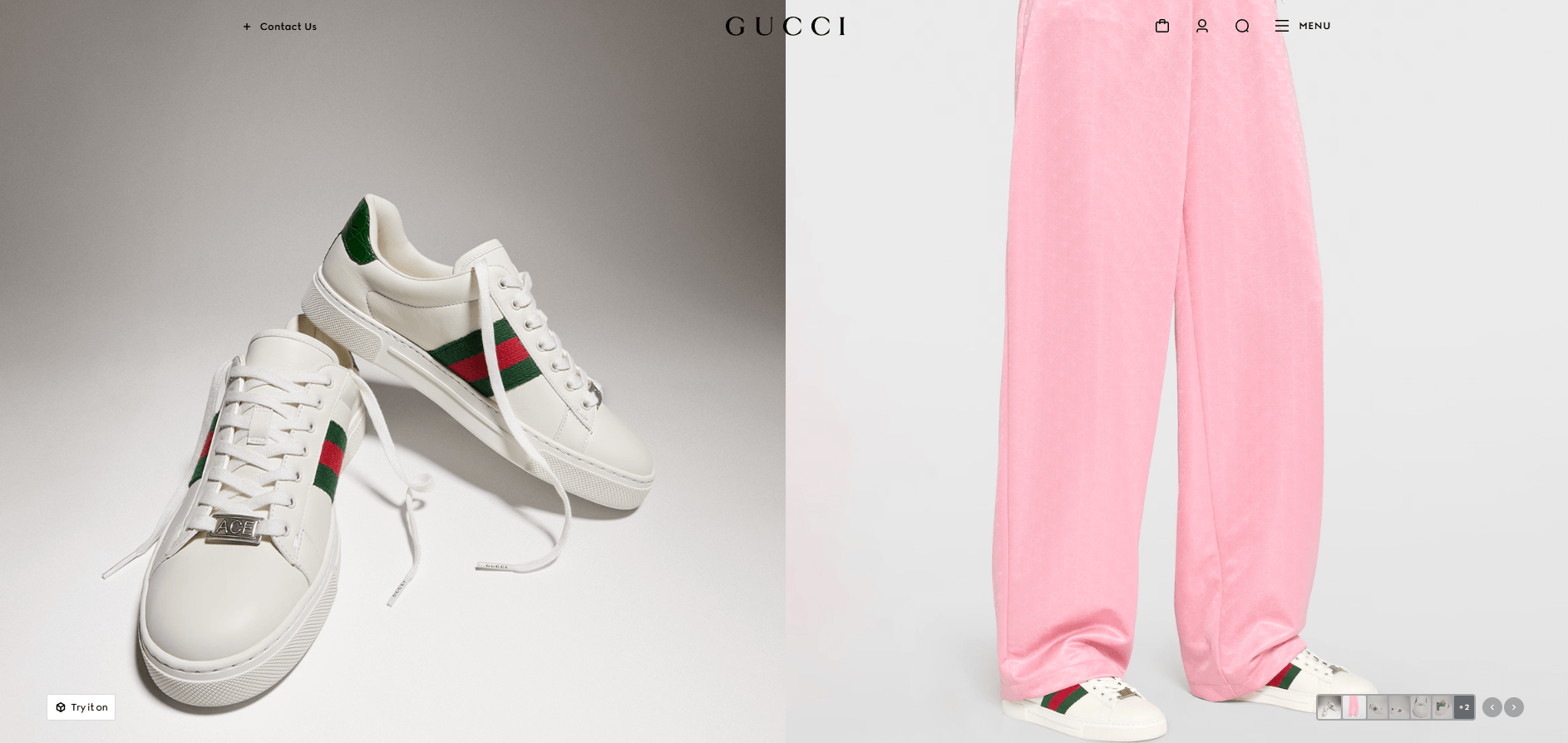
Users can choose colors, find the right size, place an order online, or save items to their favorites.
In 2023, Maybelline New York unveiled the world’s largest augmented reality mirror at the Gulliver shopping center in Kyiv, Ukraine, to promote its “Falsies Surreal” mascara. 🪞
Developed in partnership with Ffface.me, the installation spanned a total area of 4,000 m². For one day, visitors could interact with a kiosk located beneath the giant mirror to virtually try on the mascara, with their image displayed simultaneously on the massive screen above.
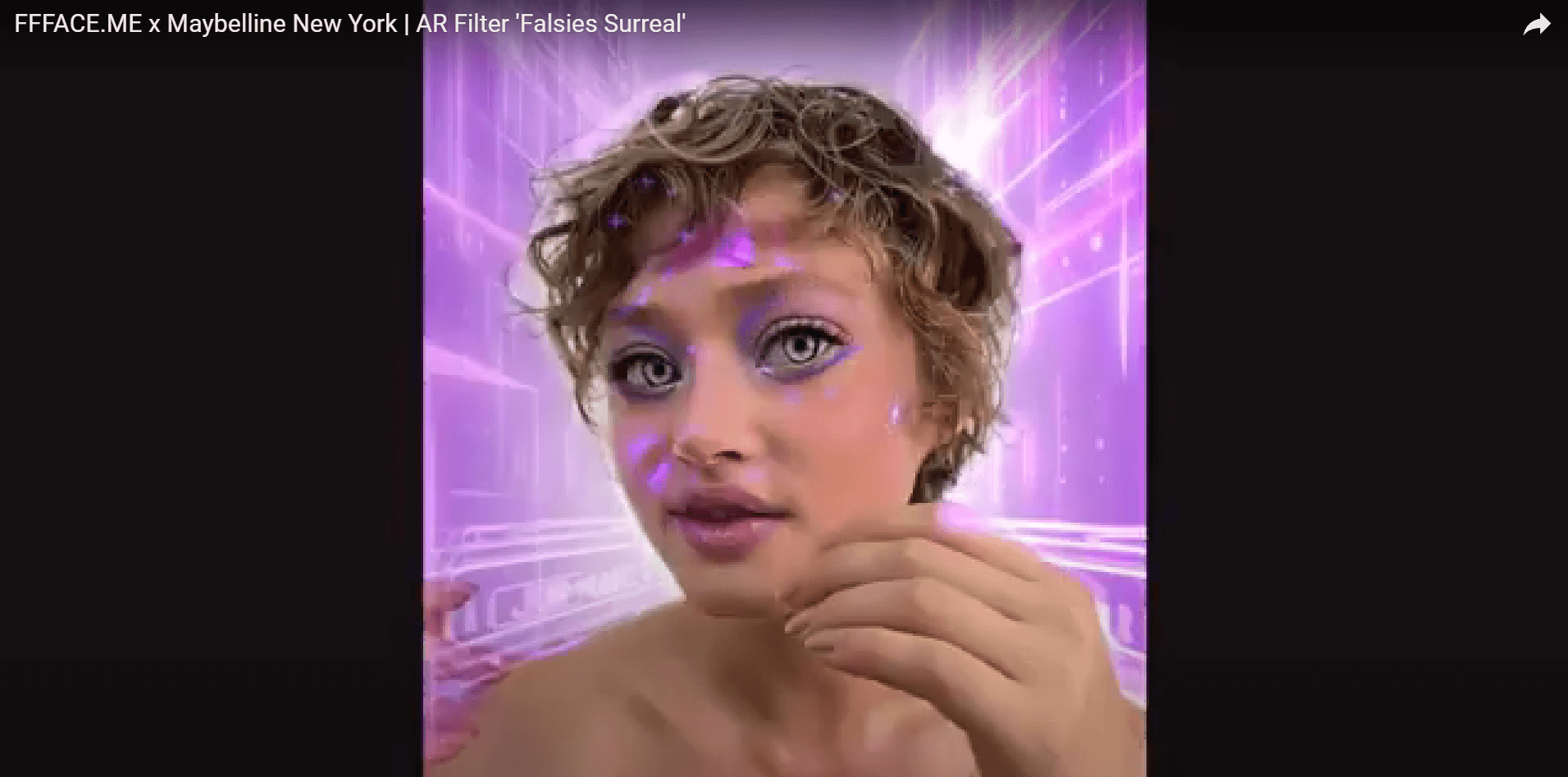
Alina Odolska, Brand Director for Maybelline NY, reported outstanding results for the campaign, with 3 million views and strong organic engagement.
Maybelline and Ffface.me then returned to the same location in 2024 with an interactive Valentine’s Day-themed experience. Visitors could pose alone or with their other and use the kiosk to send love messages to their loved ones, which appeared instantly on the AR mirror. 💘
In short, augmented reality is a true game-changer for businesses. It helps boost customer engagement, enhance training, streamline operations, and unlock new opportunities.
Many companies have already integrated AR into the customer journey, allowing consumers to experience products before making a purchase. The widespread adoption of this technology is also paving the way for a new era of online shopping. 🛒🌐
And to create your online store, grow your digitally powered sales, or build your website using artificial intelligence, SiteW has you covered!
Create a website with AI!
Ready to boost your online presence with SiteW and AI?
Get started today!
Last update: May 11, 2026