
SiteW makes website creation easy and enjoyable thanks to a solution without technical or financial constraint.
Testimonials, interviews and examples of created websites. Discover our users’ reviews and creations.
Our history, news and commitments. Beyond online service, discover SiteW.
All resources at the service of your online presence.
12 minutes
This year, online stores have generated revenues that would have been unimaginable just a year ago. 💲
Shoppers of all ages are increasingly turning away from brick-and-mortar stores and choosing instead to shop from their smartphones, comfortably settled on their couches. 🛋️🛒
E-commerce has experienced rapid growth in recent years, and current trends suggest that this growth isn’t slowing down anytime soon. 📈
But just how fast is the market growing? According to studies, the global market is projected to reach 6.8 trillion dollars by 2028.
There’s no doubt about it: implementing a solid e-commerce strategy is essential.
Are you ready to develop your e-commerce site? That’s exactly what we’re going to explore together! 👇
E-commerce marketing involves promoting and selling products or services through online channels, such as your e-commerce site, social media, or email marketing.
It allows you to reach a wider audience, drive traffic to your website, increase conversions, and, ultimately, boost your revenue.
E-commerce marketing encompasses a wide range of strategies designed to guide your customers through the different stages of the sales funnel (awareness, consideration, purchase decision, and loyalty).
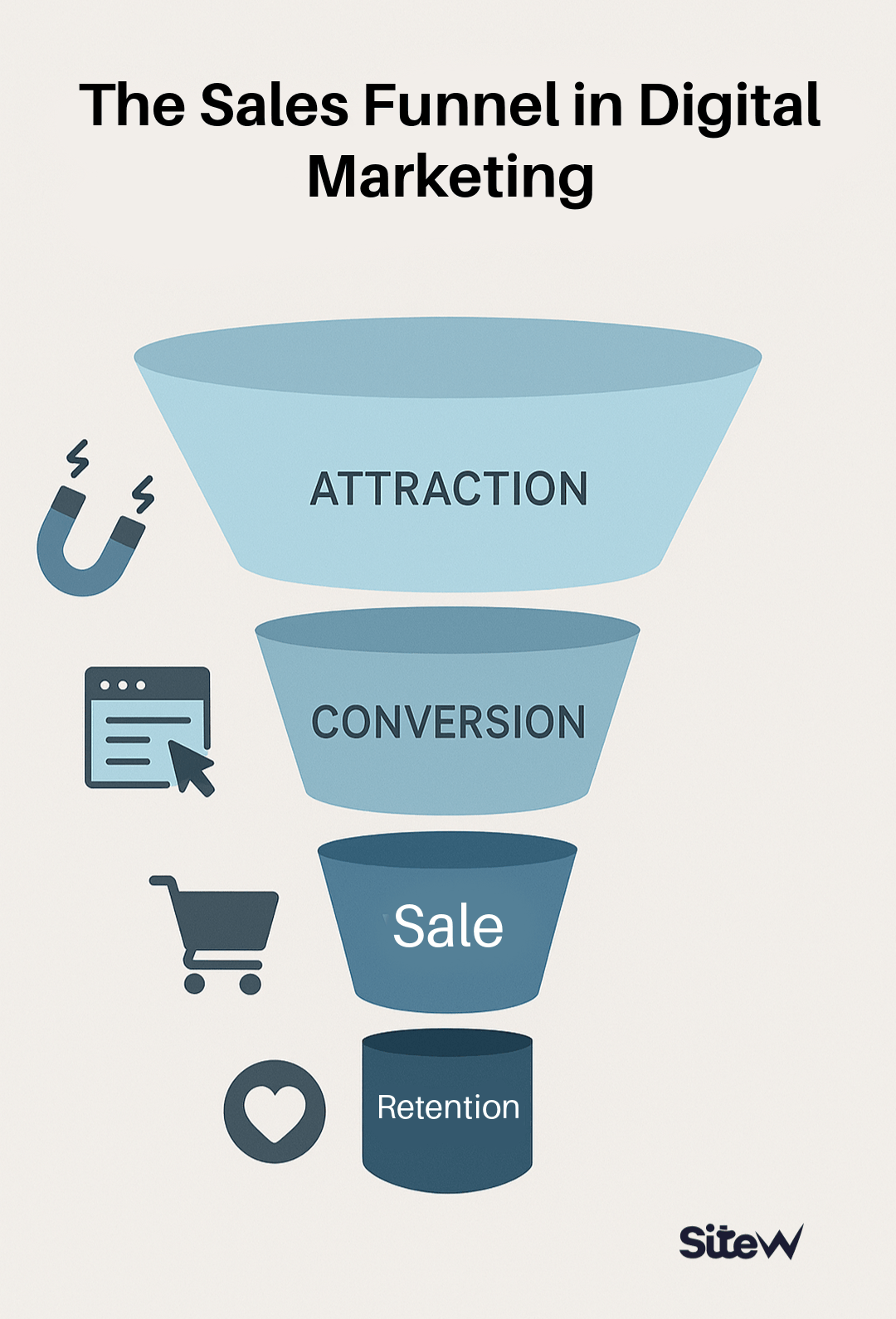
To sum things up, the entire process can be broken down into three crucial steps…
You can attract visitors through a variety of channels, including paid advertising, social media, content marketing, and search engine optimization (SEO). 🧲
This is the awareness stage, when consumers first discover your brand and products.
Once visitors land on your website, the next step is to encourage them to take action. This could mean purchasing a product, signing up for a newsletter, or providing their contact information.
This step corresponds to the consideration and decision-making stages of the conversion funnel.
Finally, it’s important to continue building relationships with customers after they make a purchase. 🛍️
This can be done through email campaigns, social media, and other channels. The goal is to keep your brand top of mind and encourage repeat purchases (loyalty/referral stage).
As an e-commerce business owner, you’ll naturally need to develop your own online sales strategies. What works for one industry may not work for another. So it’s important to test and refine your strategies to find the ones that deliver the best results for you.
Want to discover the most effective ways to skyrocket your sales and promote your online store? Then let’s dive right in to take your business to the next level. 💪💥
Start by going through this list of essential website optimizations:
Web design. Make sure your website has a clear layout and is easy to navigate.
SEO. If your site isn’t properly optimized for Google, potential customers may never find it.
Communication. Add a contact form, comments section, or chatbot to your site so you can interact with your customers.
Scheduling. Offer an online calendar to make booking appointments easier and help you stay organized.
Organisation. Structure your website using clear, intuitive categories.
To ensure your online store runs smoothly, it’s essential to create clear, logical, and intuitive categories that reflect both the products you sell and your customers’ expectations.
A well-structured category system makes your site easier to navigate, helps visitors quickly find what they’re looking for, and can increase conversion rates. It also helps keep visitors engaged and reduce bounce rates by guiding them toward relevant products.
Clear categories are equally important for SEO. They help search engines index your content more effectively which can ultimately drive more traffic to your site.
Your website header is one of the first things customers notice when they land on your homepage.
As a result, it can be a powerful tool for capturing their attention and sparking their interest. 👀
Slow-loading, poorly designed headers can create a frustrating user experience and may even cause visitors to leave your site before they’ve had a chance to explore your products. 🫢
Banners featuring static, generic content, poorly designed layouts that aren't optimized for mobile devices, and unclear calls to action are ineffective and outdated.
A high-performing website header should be visually appealing and load quickly across all devices. It can also be used to promote limited-time offers, increase brand awareness, and guide your customers toward key actions, such as signing up for your newsletter or checking out your current promotions.
As privacy concerns continue to grow, moving away from cookies has become an important step toward maintaining customer trust and complying with data protection regulations. 🍪🔒

Many platforms rely on cookies to track user behavior and deliver personalized experiences. However, a growing number of customers are becoming uncomfortable with these practices.
An optimized search function is a key component of any successful e-commerce business. It should work seamlessly across all connected devices to meet the ever-growing expectations of online shoppers.
The growth of mobile commerce (m-commerce) in 2026 is set to become a central part of consumer behavior, accounting for more than 55% of global transactions 😮
As more and more customers shop from their phones, it’s essential to make sure your online store is fully responsive. You can use Google’s mobile-friendly testing tools to check how well your site performs on mobile devices.

Checkout is one of the most important moments in your customer’s shopping journey. To prevent shoppers from abandoning their carts at this crucial stage, you need to make the process as quick and effortless as possible.
Make sure your online store offers a fast seamless checkout experience. 💳💵
To achieve this, provide a variety of payment methods and give customers direct access to their shopping cart. With SiteW’s e-commerce plans, these options are just one click away!
Each of your product listings should include accurate, comprehensive information, such as titles, descriptions, prices, images, specifications, attributes (size, color, and material), stock levels, categories, and other relevant details. 📄
Complete, properly structured product data ensures that features such as your search bar work effectively.
Keeping your data accurate and well organized not only improves your store’s functionality but also enhances the overall user experience, making it easier for customers to find what they need.

A comprehensive e-commerce strategy should include a variety of content formats, such as videos, specialized blog posts, podcasts, and paid advertising to drive engagement.
To create exceptional content, businesses need to identify exactly what their customers are looking for and produce content tailored to their needs.
If you’re unsure what kind of content your customers want, use these tips to narrow it down:
Survey your customers.
If you want to know what your customers expect from your content, ask them! Create surveys and send them to your visitors to learn more about their preferences. 📋
Keep an eye on your competitors.
There’s nothing wrong with studying the competition. That doesn’t mean you should copy what your competitors are doing, but it can be a great source of inspiration
Draw on your own experience.
No one knows your offerings better than you do. Take some time to think about what customers need to know about your products, then create content around those topics. 🧠💡
Take advantage of AI tools.
AI can’t replace content writers, but it can certainly help them boost their productivity! And that’s exactly where Waia, SiteW’s AI agent, comes in: you can use it to improve, correct, and expand your content.
Building a brand is one of the most important aspects of running any business.
One major consumer trend today is the shift toward greater social consciousness, with environmental sustainability and support for local economies taking center stage. As a result, customers are willing to pay more for brands that stand for a mission, purpose, or goal.
In the world of e-commerce, global sales continue to grow.
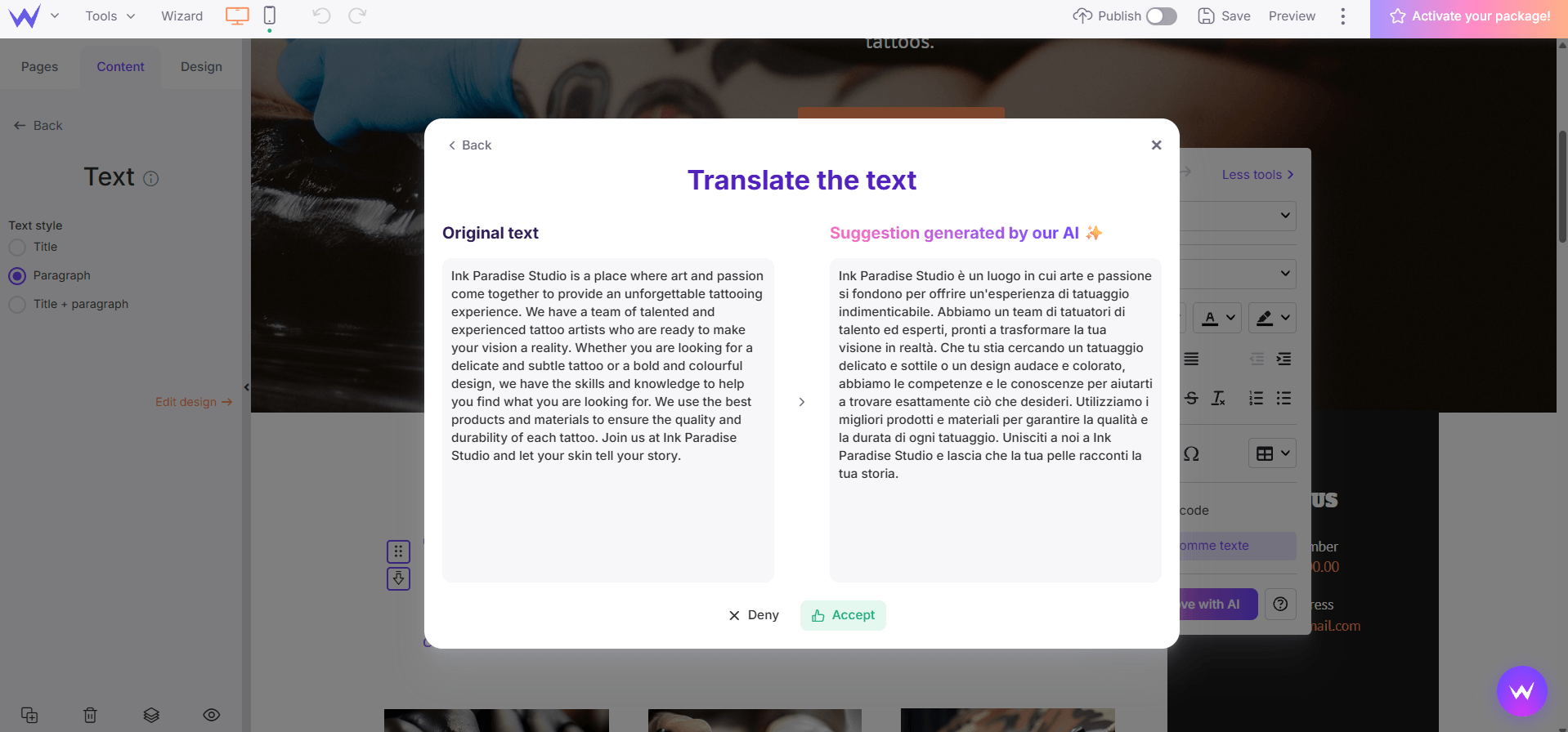
Take the time to translate your e-commerce site with SiteW and reach customers beyond your home market! 🇺🇸 🇪🇸 🇩🇪
Artificial intelligence is here to stay. One of the best ways to take advantage of it is by creating hyper-personalized customer experiences.
AI can enhance customer interactions in real time
Take chatbots, for example: they’re becoming increasingly effective at providing consumers with immediate answers to their questions.
Other applications include personalized email campaigns and predictive analytics. AI can even help predict consumer behavior, giving businesses a competitive edge by allowing them to target customers more effectively.
Let’s take an even bigger leap into the future. 🔮
One of the major e-commerce trends to watch is the rise of augmented reality (AR) shopping experiences. 🥽
This doesn’t mean shoppers will necessarily need a headset to browse your store. Instead, AR can allow them to visualize what your products would look like in their homes or in real-life settings.
Another trend to watch is live shopping. These events give you an opportunity to take customers behind the scenes, connect them with experts, showcase your products, and demonstrate how to use them.
Short videos have been around for a while, but this type of content continues to appeal to a wide range of consumers and generate unprecedented levels of engagement. 📹
They’re part of what’s known as “snackable content”—quick, entertaining, and easy-to-digest content that audiences can consume in just a few moments.
However, brands need to invest in authentic, engaging, and informative videos if they want to capture their audience’s attention and drive conversions.

Growing your customer base organically can take a long time. ⏳
To speed up the process, you can use paid advertising to quickly attract thousands of visitors. Google Ads and Facebook Ads offer powerful targeting options, allowing you to reach specific audiences based on their demographics, interests, and behavior.

To get the most out of your paid advertising campaigns, it’s important to clearly define your goals and establish a budget.
If you haven’t implemented an email marketing strategy yet, you could be missing out on a key growth opportunity for your e-commerce business. 📧
Adopting an automated, data-driven approach can help set your online store on the path to success, by boosting engagement, increasing sales, building long-term customer loyalty, and fostering sustainable growth.
Expand your social media strategy by incorporating live streams or Stories to attract customers to your online store.
You can also take advantage of sponsored posts and in-platform shopping features to convert customers who are already ready to buy.
The global social commerce market is valued at $2.11 trillion in 2026, growing at an annual rate of roughly 29% to 37%.
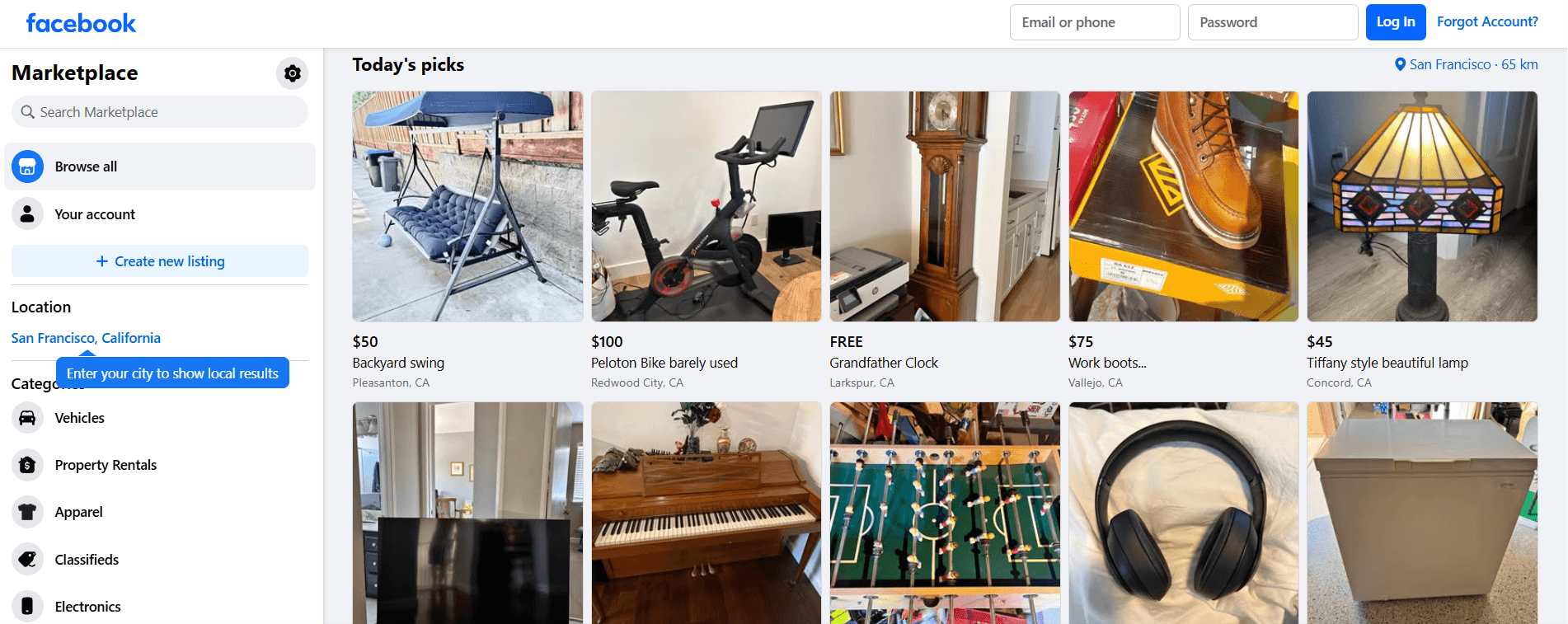
Instagram Shopping, Facebook Marketplace, and TikTok Shop continue to expand making it increasingly easy for consumers to shop directly through social platforms.
While most e-commerce strategies are digital, real-world relationships still matter.
Participating in virtual trade shows, joining online communities related to your industry, and even attending in-person networking events can open the door to new collaborations and referrals while increasing your brand’s visibility.
Probably as a direct response to the growing dominance of AI, audiences are increasingly looking for authentic human connections and real stories to counterbalance this trend.
By sharing genuine experiences, human faces, challenges, and successes, businesses can create content that resonates with their audiences on a deeper level. ❤️
Testimonials from real company executives, employees, and customers
Your founder’s story
Behind-the-scenes insights into the product design process
First-person content written in a blogger-style format
Influencers play an important role in how brands communicate with their audiences. They provide a more personal and relatable way to promote products, helping strengthen engagement and build connections with your target audience.
However, you don’t necessarily need to partner with the biggest or most famous influencers. If your budget is limited, consider working with micro-influencers instead. Their audiences may be smaller, but they often have highly engaged and loyal communities.
One of the best ways to generate positive word-of-mouth is to give your customers opportunities to share their opinions, reviews, or even photos. This is known as user-generated content (UGC). 💬
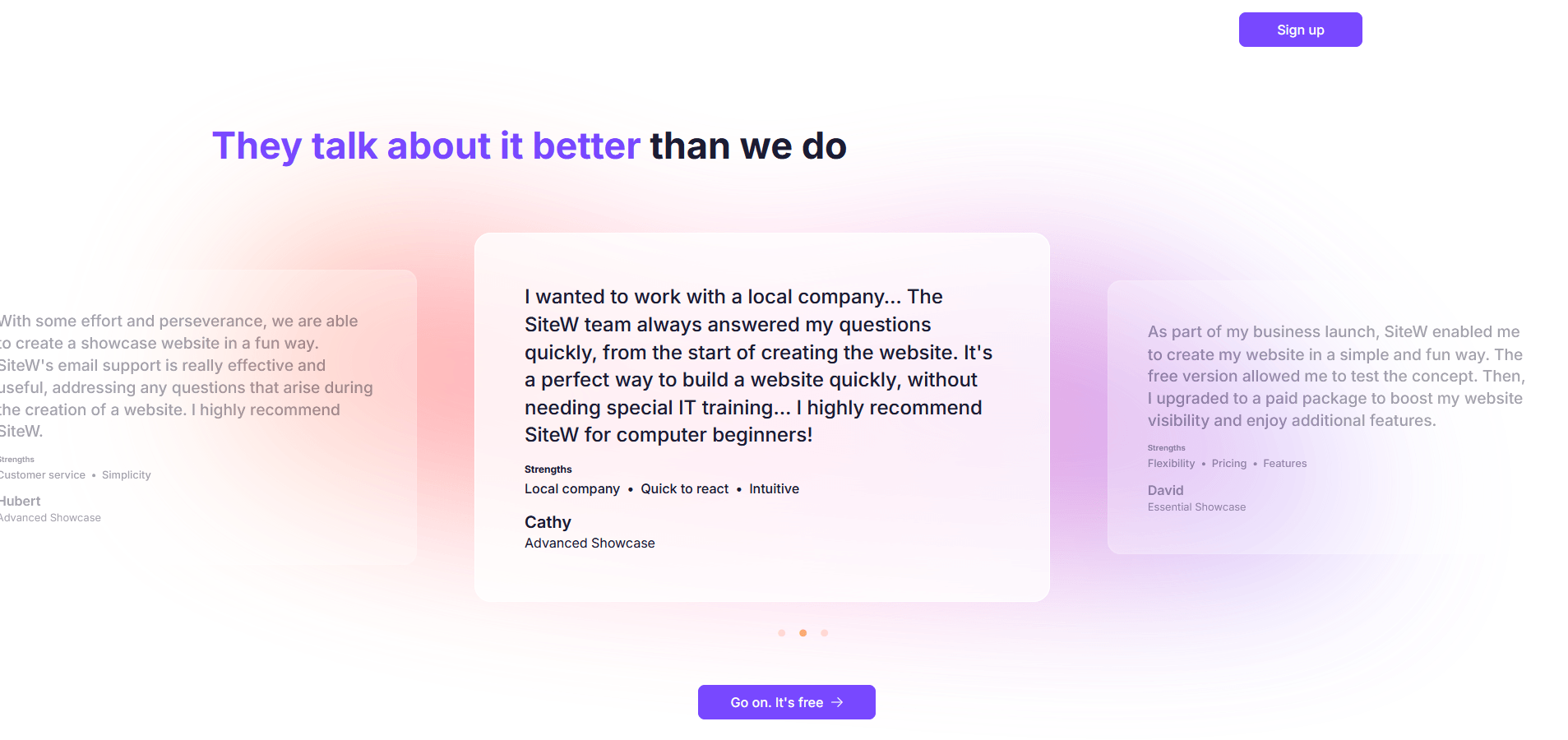
These testimonials and social media posts can help you strengthen your brand’s credibility.
UGC (User-Generated Content) is particularly effective in e-commerce because it allows you to showcase your products in real-world situations while providing valuable social proof to potential customers.
In today’s hyperconnected world, move across a variety of platforms and channels, including social media, email, and Google Search.
As consumers move from one touchpoint to another, it’s essential to provide seamless, consistent interactions that strengthen brand engagement and drive conversions.
That’s why 44% of e-commerce businesses are interested in omnichannel marketing.
Analytics tools provide valuable insights into your e-commerce marketing efforts, helping you understand what’s working, what isn’t, and where you can make data-driven improvements. 📊📊
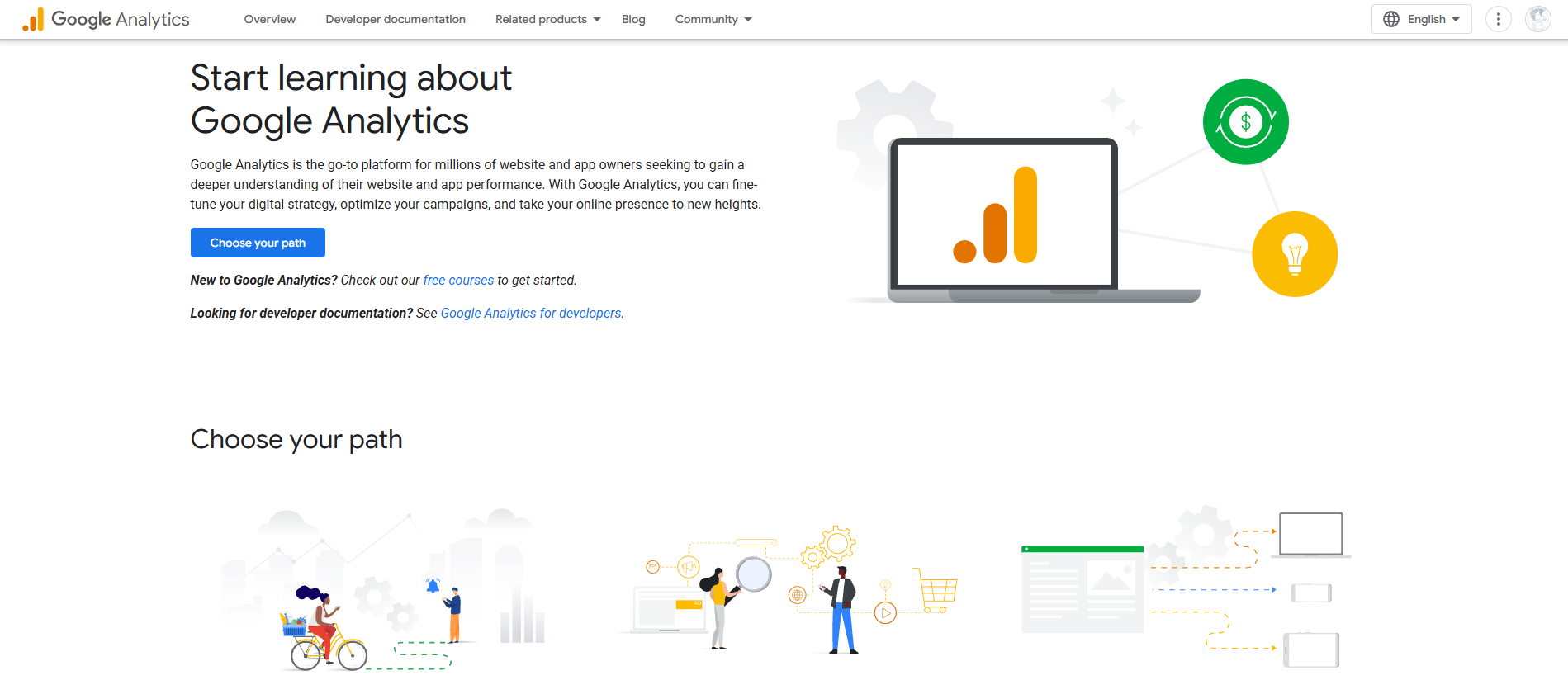
Analytics tools such as Google Analytics are free—and if you use SiteW, you can connect Google Analytics to your website with just one click!
By tracking key metrics such as website traffic, conversion rates, and customer behavior, you can identify areas for improvement and make changes to optimize your site.
Today, consumers increasingly prioritize companies whose values around sustainability, inclusivity, and ethics align with their own. 🌱
Brands that commit to transparent and socially responsible marketing will strengthen customer trust and foster long-term loyalty.
This means communicating honestly, sourcing responsibly, and ensuring inclusive representation in marketing campaigns.
Companies also need to back up their claims with concrete actions, whether through eco-friendly packaging, fair labor practices, or initiatives to reduce their carbon footprint. Today’s consumers are quick to recognize “greenwashing” and increasingly expect brands to demonstrate genuine commitment.
One of the most effective e-commerce strategies for small businesses is to focus on the customer experience, while also prioritizing authenticity and responsibility.
Providing an intuitive user interface and a seamless checkout process can further increase customer satisfaction and loyalty. Brands can also invest in growth marketing strategies by leveraging channels such as social media and email marketing.
By implementing these growth strategies, you’ll be better equipped to handle an influx of new customers and continue growing your business over the next decade! 👌
Last update: October 20, 2026